
Who Eats Mealworms: Reptiles
Click any animal below to read the full feeding guide.
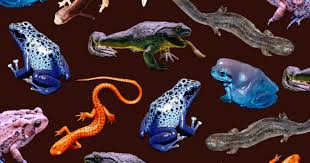 Amphibians
The Ultimate Guide to Feeding Mealworms to Amphibians
Whether you are keeping local South African favorites like the iconic African Clawed Frog (Platanna), the massive African Bullfrog, or exotic beauties like Dart Frogs and Axolotls, amphibians are fascinating creatures with highly specialized needs. Unlike many other pets, almost all adult amphibians are strict, obligate carnivores that hunt exclusively by sight and movement. Incorporating premium, locally raised live mealworms into their diet is one of the most effective ways to satisfy their predatory instincts, fuel rapid growth, and support their incredibly unique lifecycles.
Why Amphibians Absolutely Depend on Live Mealworms
Amphibians have a highly unique biology. Their thin, permeable skin and active lifecycles mean that the quality of what they eat directly impacts their health, bone density, and lifespan.
The Power of Movement (The Prey Drive): Most frogs, toads, and salamanders will completely ignore dead food. They are hardwired to strike only when they see a target wiggle. The active crawling of live mealworms immediately triggers their hunting reflexes, providing essential mental and physical stimulation.
Fueling the Metamorphosis: When young amphibians transition from water-dwelling tadpoles to land-dwelling adults, they undergo immense physiological stress. Mealworms offer a dense packet of raw animal proteins and lipids (fats) that supply the massive energy reserves needed for this dramatic transformation.
The Perfect Carrier for Supplementation (Gut-Loading): Because amphibians require precise ratios of vitamins (especially Vitamin A and Calcium) to prevent metabolic conditions, live mealworms act as the ultimate nutritional vessel. By feeding the mealworms high-quality nutrients 24 hours before feeding time, those vitamins are delivered directly into your amphibian’s system.
The Big Three: Golden Rules for Amphibian Feeding
1. Size Matters: The "Between the Eyes" Rule
Amphibians swallow their prey entirely whole. As a golden rule for your website visitors, the mealworm offered should never be longer than the width between the amphibian’s eyes.
For Small Species (Poison Dart Frogs, Reed Frogs, Newts): Use mini or micro-grade mealworms.
For Medium to Large Species (Pacman Frogs, Leopard Toads, Tiger Salamanders): Use medium to large-grade mealworms.
2. Master the "Gut-Load" and "Dust" Technique
Amphibians have a high demand for calcium but mealworms naturally have a higher phosphorus-to-calcium ratio.
To make them a perfect staple or rotational food: Gut-load the mealworms with calcium-rich vegetables (like carrots or sweet potatoes) the night before feeding. Dust the live mealworms in a high-quality calcium and Vitamin D3 powder right before dropping them into the enclosure.
3. Use Escape-Proof Feeding Dishes
Amphibians can be clumsy hunters, and loose mealworms will quickly burrow into the damp coco-peat or moss substrate of a terrarium. Once buried, they can die and rot, creating harmful bacteria in a humid setup. Always serve mealworms in heavy, smooth-sided glass or ceramic dishes that the worms cannot climb out of, but the amphibian can easily reach into.
Species-Specific Mealworm Breakdown
Pacman Frogs & African Bullfrogs: These are sedentary "sit-and-wait" predators with massive mouths. They can comfortably handle large, crunchy mealworms as an excellent, high-calorie energy source to help them reach their impressive sizes.
Tree Frogs & Toads: Highly active nocturnal hunters. Dropping wiggling mealworms into a shallow dish at dusk creates a wonderful evening foraging activity that keeps them active and healthy.
Terrestrial Salamanders & Newts: These damp-loving creatures move slowly and rely heavily on their sense of smell and close-range vision. The slow, rhythmic wiggling of small mealworms is the perfect speed for them to successfully track and hunt.
Step-by-Step Guide: Feeding Mealworms to Pacman Frogs
Pacman Frogs are famous for being living, breathing appetites. Named after the iconic arcade character because of their round bodies and massive mouths, these ambush predators are highly rewarding to feed. Because they spend most of their time buried in damp substrate waiting for prey to walk past, introducing live mealworms into their routine provides the perfect, high-calorie energy boost to help them grow into healthy, round adults.
- Step 1: Select the Perfect Size
Pacman Frogs have an impressive mouth capacity, but they swallow their food entirely whole without chewing. Offering prey that is too large can lead to choking or impaction.
The Rule: Choose a mealworm that is no longer than the width between your frog’s eyes.
For baby Pacman frogs (froglets), use mini-grade mealworms. For large juveniles and adults, switch to medium or large-grade mealworms.
- Step 2: Gut-Load Your Stock (24 Hours Before)
A mealworm is only as nutritious as the food it has recently eaten. Because amphibians have a high demand for vitamins, you must "gut-load" your live mealworms before feeding time.
Place your live mealworms into a separate container 24 hours before feeding.
Supply them with premium slices of sweet potato, carrots, or squash. The mealworms absorb these nutrients, passing them directly into your frog’s system.
- Step 3: Dust with Essential Minerals
To support the fast-growing skeletal structure of a Pacman Frog and prevent Metabolic Bone Disease (MBD), your mealworms need a light coating of supplements.
Place the gut-loaded mealworms into a small plastic bag or container.
Add a pinch of high-quality reptile Calcium + Vitamin D3 powder.
Gently shake the container until the mealworms are lightly dusted white (often called the "shake-and-bake" method).
- Step 4: Use an Escape-Proof Dish
Pacman Frogs live on damp coco-peat or moss. If you drop live mealworms directly onto the ground, they will instantly burrow into the soil. Once buried, they will die, rot, and cause harmful bacterial spikes in the humid enclosure.
Place the dusted mealworms into a heavy glass or ceramic dish with completely smooth, vertical sides.
Position the dish directly in front of your Pacman Frog’s favorite burrowing spot.
- Step 5: Trigger the Strike
Because Pacman Frogs are ambush predators, they are entirely stimulated by movement.
Watch the magic happen: The active, frantic wiggling of the live mealworms inside the dish will instantly lock your frog’s attention.
Within seconds, your Pacman Frog will lung forward, scoop up the mealworms with its powerful tongue, and swallow them down.
Step-by-Step Guide: Feeding Mealworms to African Bullfrogs
The African Bullfrog (Giant Pixie Frog) is a true heavyweight of the local South African amphibian world. Reaching spectacular sizes, these robust giants possess an incredibly fast growth rate and a legendary prey drive. To fuel their massive frames and maintain their powerful muscles, they require a diet dense in clean animal proteins. Premium live mealworms are an exceptional staple or rotational choice to keep your giant healthy and mentally sharp.
- Step 1: Match the Growth Phase
African Bullfrogs grow at an astonishing speed, meaning their food size requirements shift rapidly.
For Froglets: Feed 4 to 6 small or mini mealworms every day to support their rapid skeletal expansion.
For Juveniles: Feed 5 to 8 medium mealworms every second day.
For Giant Adults: Offer a handful of large mealworms as a high-protein rotational treat alongside their larger prey items.
- Step 2: Supercharge via Gut-Loading
Because giant bullfrogs require excellent liver and organ health to support their large bodies, their food must be vitamin-rich.
24 hours before feeding, place your live mealworms into a tray with a substrate of vitamin-enriched bran or oats.
Add fresh slices of dark leafy greens, apples, or carrots to hydrate and pack the mealworms with natural vitamins.
- Step 3: Dust for Bone Strength
A giant body requires thick, dense bones. Dusting your mealworms ensures your bullfrog gets the necessary minerals to prevent common growth deformities.
Lightly dust your live mealworms with a quality calcium powder (with D3) right before serving.
For adult frogs, rotate between calcium powder and a specialized reptile multivitamin powder once a week.
- Step 4: Present the Prey Safely
African Bullfrogs are highly aggressive feeders and can accidentally swallow toxic loose substrate (like orchid bark or gravel) if they strike wildly at a mealworm crawling on the floor.
Always present live mealworms in a wide, heavy, smooth-sided feeding bowl that cannot be flipped over by an enthusiastic frog.
Alternatively, use rubber-tipped feeding tongs to hold a wiggling mealworm directly in front of your bullfrog. This is an incredible way to bond with your pet and control exactly how much they eat.
- Step 5: Clean Up and Monitor
Website Tip: African Bullfrogs will eagerly devour every mealworm in sight. Once the feeding session is over (usually within 10 to 15 minutes), remove the feeding dish from the enclosure to keep the habitat completely pristine and clean.
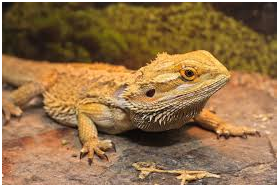 Bearded Dragon
The Ultimate Guide to Feeding Mealworms to Bearded Dragons
Bearded Dragons are affectionately known as the puppies of the reptile world. Famous for their calm temperaments, expressive head-bobs, and endearing "hand-waves," these Australian desert natives are South Africa’s most beloved pet lizards. To maintain their athletic builds, strong bones, and active personalities, Bearded Dragons require a carefully balanced omnivorous diet. Incorporating premium, locally raised live mealworms into their routine provides the dense protein, essential lipids, and intense mental enrichment they need to thrive.
Why Bearded Dragons Thrive on Premium Mealworms
As opportunistic desert foragers, wild Bearded Dragons actively hunt down a massive variety of crawling insects. Replicating this predatory experience in captivity is vital for their physical and mental health.
The Ultimate Juvenile Growth Fuel: Baby and juvenile Bearded Dragons grow at an astonishing speed, requiring up to 70% to 80% of their daily diet to come from insects. The dense, high-quality animal proteins in mealworms provide the essential amino acids needed to build strong muscles and fuel these rapid growth spurts.
The "Salad Topper" Trick for Picky Adults: As Bearded Dragons mature into adults, their dietary needs switch to 80% fresh vegetables and greens. However, many adult dragons become stubborn and completely refuse to eat their salads. Dropping a few frantic, wiggling live mealworms directly on top of their greens turns the boring bowl into an interactive moving target, tricking them into eating their vegetables!
Essential Breeding Stamina: Producing and laying clutches of eggs takes an immense physical toll on female dragons. The healthy fats and concentrated nutrients in premium mealworms give breeding hens the vital energy reserves required to maintain their body condition during the taxing breeding season.
Managing the Lifecycle: Size and Frequency
Because a Bearded Dragon’s digestive tract matures as they grow, choosing the right mealworm grade ensures completely safe and highly effective digestion.
| Life Stage / Phase | Mealworm Grade | Role & Frequency |
|---|---|---|
| Baby (Under 4 Months) | Strictly Mini Grades | Feed sparingly alongside softer staples to ensure easy digestion. |
| Juvenile (4 to 12 Months) | Medium Grade | Offer a handful daily as a highly efficient, high-protein growth fuel. |
| Adult (Over 12 Months) | Large Grade | Feed 2 to 3 times a week as a premium rotational protein and salad topper. |
Step-by-Step: The Perfect Dragon Feeding Routine
- Step 1: The 24-Hour Nutritional Supercharge
Never feed empty insects to your pets. 24 hours before feeding your dragon, place your live mealworms into a separate tray. Feed them nutrient-dense slices of butternut, squash, or carrots. The mealworms absorb these vitamins, transforming them into a highly nutritious vessel that passes directly into your lizard.
2. Dust for Rock-Solid Bone Strength
Bearded Dragons have an exceptionally high demand for Calcium and Vitamin D3. Without it, they are highly prone to Metabolic Bone Disease (MBD), which causes weak jaws and deformed limbs. Right before serving, place your live mealworms into a small bag or cup with a pinch of premium reptile calcium powder, and gently shake it until they are lightly dusted white.
3. Presenting the Meal Safely
Bearded Dragons are enthusiastic, aggressive strikers. If you drop live mealworms directly onto loose tank substrate (like sand or bark), your dragon can easily swallow the substrate by accident, leading to dangerous internal blockages (impaction).
Website Tip: Always serve live mealworms in a heavy, shallow ceramic dish with smooth, vertical walls, or use rubber-tipped feeding tongs to hand-feed your dragon. Hand-feeding with wiggling mealworms is the absolute fastest way to tame a shy dragon and build an unbreakable bond with your pet!
Feeding Bearded Dragons
Adult bearded dragons should only be fed about 5 to 10 mealworms per feeding, once or twice a week, while juveniles can have 2 to 5 mealworms per feeding. Mealworms are high in protein but have tough shells, so they’re best used as a treat rather than a staple food.
Feeding Guidelines by Age
| Age Group | Quantity per Feeding | Frequency | Notes |
|---|---|---|---|
| Baby (under 6 months) | 2 – 5 small mealworms | 2 – 3 times a week | Focus on softbodied insects like crickets or small roaches for easier digestion. |
| Juvenile (6–12 months) | 3 – 7 medium mealworms | 1 – 2 times a week | Offer mealworms as part of a varied insect diet. |
| Adult (1 year +) | 5 – 10 medium mealworms | Once or twice a week | Use as a protein treat; avoid overfeeding to prevent impaction. |
Feeding Tips
Primary diet: Bearded dragons thrive on a mix of live insects (crickets, roaches, silkworms) and fresh vegetables.
Mealworms as treats: Their hard exoskeleton makes them harder to digest, so limit quantity.
Size rule: Never feed insects larger than the space between your dragon’s eyes.
Gutload mealworms: Feed them fresh vegetables 24 hours before offering to your dragon for better nutrition.
Dust with supplements: Lightly coat mealworms with calcium and vitamin D3 powder before feeding.
Hydration: Always provide fresh water and maintain proper basking temperatures (around 38–42 °C) to aid digestion.
Common Mistakes to Avoid
Overfeeding mealworms: Can cause digestive blockage or obesity.
Feeding only mealworms: Leads to nutrient imbalance — variety is essential.
Ignoring age differences: Younger dragons need more frequent feedings but smaller portions.
Example Feeding Routine for an Adult Bearded Dragon
Monday, Wednesday, Friday: Mixed greens and vegetables (collard, mustard, butternut).
Sunday: 5 – 10 mealworms dusted with calcium.
Tuesday, Thursday, Saturday: Crickets or roaches for protein variety.
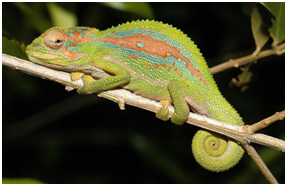 Chameleons
The Ultimate Guide to Feeding Mealworms to Chameleons
Chameleons are the ultimate masters of adaptation, legendary for their independent 360-degree vision, prehensile tails, and breathtaking, mood-driven color shifts. Whether your customers keep exotic favorites like the popular Veiled Chameleon or the spectacular Panther Chameleon, these arboreal reptiles are strict, obligate insectivores. Incorporating premium, locally raised live mealworms into their feeding rotation is an exceptional way to fuel their high-precision hunting strategies and meet their unique dietary demands.
Why Arboreal Chameleons Benefit from Live Mealworms
Chameleons are highly specialized tree-dwellers that rely entirely on the movement of live prey to trigger their incredible projectile tongues.
The Ultimate Tongue-Target Workout: Chameleons launch their tongues at lightning speeds to capture prey using a highly viscous, sticky tip. The distinct, wriggling movement of a live mealworm perfectly activates their focus, providing vital predatory exercise that keeps their depth perception and targeting muscles razor-sharp.
Dense, Clean Energy: Mealworms offer a fantastic source of high-quality animal protein to support muscle development, along with crucial lipids (fats) that supply sustained energy for active climbing.
Excellent Hydration Vessel: Chameleons rarely drink standing water and rely heavily on dew, misting systems, and the moisture inside their food. Freshly gut-loaded live mealworms are plump and highly hydrated, delivering essential fluids straight to your reptile.
Managing Chameleons: Sizing and Dietary Rotation
Because chameleons have a unique digestive tract and a delicate jaw structure, mealworms should be fed as an integrated part of a diverse, rotational diet.
The Proporational Rule: The mealworm offered should never be larger than the width of the chameleon’s head between its eyes.
The Grade Guide: For young or growing juveniles, always recommend mini-grade mealworms because their softer, thinner outer skin is exceptionally easy to digest. For full-grown adults, medium-grade mealworms provide a highly satisfying, crunchy bite.
Step-by-Step: The Perfect Chameleon Feeding Routine
- Step 1: The 24-Hour Vitamin Supercharge
Chameleons are highly prone to metabolic deficiencies if their food lacks nutrition. 24 hours before feeding, place your live mealworms into a separate container. Feed them nutrient-dense slices of carrots, squash, or dark leafy greens. The mealworms act as a live sponge, absorbing these vital vitamins to pass them directly to your chameleon.
- Step 2: The Essential Mineral Dusting
Chameleons require strict amounts of Calcium and Vitamin D3 to build strong bones and prevent Metabolic Bone Disease (MBD). Right before feeding time, place your gut-loaded mealworms into a small container with a pinch of specialized reptile calcium powder, and gently shake it until they are lightly coated white.
- Step 3: Presenting the Prey Safely (The Elevated Feeder)
Unlike floor-dwelling lizards, chameleons hate hunting on the ground and feel highly vulnerable at the bottom of an enclosure. If dropped randomly, mealworms will quickly crawl away and hide under cage decor.
Website Tip: Always present live mealworms in an elevated feeding cup or dish clipped directly to the branches or screen mesh at the mid-to-upper levels of the enclosure. This keeps the mealworms trapped and wiggling in plain sight, perfectly matching the chameleon’s natural tree-foraging comfort zone.
* Important Legal Note *
To protect our incredible biodiversity, the collection of wild indigenous chameleons—such as our stunning local Cape Dwarf Chameleons—is strictly illegal in South Africa without specialized permits.
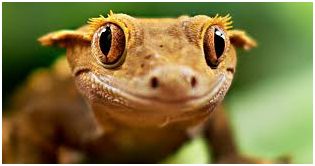 Crested Geckos
The Ultimate Guide to Feeding Mealworms to Crested Geckos
Crested Geckos are affectionately called the “eyelash geckos” thanks to their charming fringed crests. Native to New Caledonia, they are one of the most popular pet lizards worldwide due to their gentle nature, manageable size, and striking appearance. Unlike Bearded Dragons, Crested Geckos are primarily frugivores (fruiteaters), but they still benefit from carefully managed insect protein. Premium, locally raised live mealworms can provide enrichment, variety, and supplemental nutrition when used correctly.
Why Crested Geckos Benefit from Mealworms
Natural Hunting Instincts: In the wild, crested geckos opportunistically consume insects alongside fruit and nectar. Offering live mealworms replicates this predatory behavior, stimulating mental activity.
Juvenile Growth Support: Young geckos require more protein than adults. Mealworms provide dense amino acids to fuel growth and muscle development.
Breeding Boost: Female geckos laying eggs benefit from the extra fats and protein in mealworms, helping them maintain condition during the breeding season.
Dietary Variety: While commercial gecko diets and fruit purees form the staple, occasional mealworms add excitement and balance.
Managing the Lifecycle: Size and Frequency
| Life Stage / Phase | Mealworm Grade | Role & Frequency |
|---|---|---|
| Hatchling (Under 4 Months) | Strictly Mini Grades | Feed sparingly, once a week, alongside soft diets. |
| Juvenile (4–12 Months) | Small–Medium Grade | Offer 2–3 worms once or twice a week for growth. |
| Adult (Over 12 Months) | Medium–Large Grade | Use 2–4 worms weekly as enrichment or breeding support. |
StepbyStep: The Perfect Gecko Feeding Routine
- Step 1: Gutload for Nutrition Place mealworms in a separate tray 24 hours before feeding. Offer slices of carrot, apple, or sweet potato. This ensures the worms carry vitamins into your gecko’s diet.
- Step 2: Dust for Bone Health Crested Geckos need calcium to prevent Metabolic Bone Disease. Lightly dust mealworms with calcium powder before serving.
- Step 3: Safe Presentation Serve mealworms in a shallow dish or with feeding tongs. Avoid loose substrate feeding to prevent accidental ingestion.
Feeding Guidelines by Age
| Age Group | Quantity per Feeding | Frequency | Notes |
|---|---|---|---|
| Hatchling (<4 months) | 1–2 mini worms | Once a week | Focus on commercial gecko diet + fruit. |
| Juvenile (4–12 months) | 2–3 small worms | 1–2 times a week | Supplement, not staple. |
| Adult (1 year +) | 2–4 medium worms | Once a week | Use as enrichment or breeding support. |
Feeding Tips
Primary diet: Commercial crested gecko diet + fresh fruit purees.
Mealworms as treats: Hard exoskeleton means they should never be the main food.
Size rule: Never feed insects larger than the space between your gecko’s eyes.
Hydration: Always provide clean water and maintain humidity (60–80%) for proper digestion.
Variety: Rotate with crickets or roaches for balanced protein.
Common Mistakes to Avoid
Overfeeding mealworms → risk of impaction.
Feeding only insects → nutrient imbalance; geckos need fruitbased staples.
Ignoring calcium → leads to weak bones and deformities.
Offering oversized worms → choking hazard.
Example Feeding Routine for an Adult Crested Gecko
Monday, Wednesday, Friday: Commercial gecko diet + fruit puree (mango, banana, papaya).
Sunday: 2–4 mealworms dusted with calcium.
Tuesday, Thursday: Optional cricket or roach for variety.
In short: Crested Geckos thrive on a fruitbased diet, but live mealworms are excellent occasional treats for growth, breeding stamina, and enrichment — provided they are gutloaded, dusted, and fed sparingly.
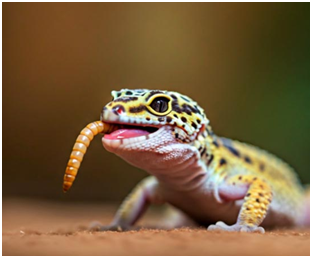 Leopard Geckos
The Ultimate Guide to Feeding Mealworms to Leopard Geckos
Leopard Geckos are the undisputed royalty of the reptile hobby. Celebrated for their beautiful spotted patterns, slow-moving nature, and seemingly permanent "smiles," these docile desert natives are the perfect pet for lizard lovers of all ages. Unlike many other reptiles, Leopard Geckos are strict insectivores—they cannot digest fruits or vegetables at all. Their entire health, energy, and lifespan depend 100% on the quality of the insects they eat. Incorporating premium, locally raised live mealworms into their routine is the absolute gold standard for maintaining a healthy gecko.
Why Mealworms are the Ultimate Staple for Leopard Geckos
For Leopard Geckos, mealworms are not just an occasional luxury treat; they are an ideal, low-maintenance staple diet that satisfies all of their biological needs.
The Plump-Tail Fat Storage: Leopard Geckos store all of their extra fat and water reserves in their thick, sausage-like tails. The natural lipids and healthy fats found in premium mealworms supply the perfect building blocks to help your geckos develop beautifully plump, thick tails—the universal sign of a healthy, thriving gecko.
The Irresistible Hunting Trigger: Leopard Geckos are visual hunters that are completely blind to dead food. The frantic, rhythmic wiggling action of live mealworms immediately locks their attention, triggering their natural predatory strike and keeping them mentally simulated.
Flawless Shedding Cycles: To shed their skin easily without getting painful stuck shed on their toes and eyes, geckos need intense cellular hydration and vitamins. The high moisture content and amino acids in live mealworms feed the skin layers from the inside out, ensuring smooth, effortless sheds.
When and How Much to Feed: A Guide to the Lifecycle
Because Leopard Geckos have a highly efficient metabolism, adjusting their feeding schedule based on their current growth stage ensures they stay perfectly proportioned.
| Life Stage / Phase | Mealworm Grade | Frequency & Amount |
|---|---|---|
| Baby / Hatchling | Mini / Small Grades | 4 to 6 worms every single day to fuel rapid growth. |
| Juvenile (Growing) | Medium Grade | 6 to 8 worms every second day. |
| Adult (Maintenance) | Large Grade | 5 to 7 worms 2 to 3 times per week. |
| Breeding Females | Large Grade | 6 to 8 worms daily (crucial for replacing calcium lost during egg-laying). |
Step-by-Step: The Perfect Gecko Feeding Routine
- Step 1: The 24-Hour Supercharge (Gut-Loading)
Because Leopard Geckos eat only insects, your mealworms must carry the vitamins the gecko needs. 24 hours before feeding, place your live mealworms into a separate tray. Feed them fresh slices of carrots, sweet potatoes, or squash. The mealworms absorb these nutrients, transforming them into a highly nutritious vessel for your pet.
- Step 2: The Calcium Dusting Trick
Leopard Geckos have a very high demand for Calcium and Vitamin D3. Without it, they can develop Metabolic Bone Disease (MBD), which causes rubbery limbs and soft jaws. Right before feeding time, place your gut-loaded mealworms into a small container with a pinch of pure calcium powder (with D3) and gently shake it until the worms are lightly coated white.
- Step 3: Presenting the Meal in a No-Escape Dish
Leopard Geckos live on dry substrates like reptile carpets, slate tile, or loose desert sand mixes. If you drop live mealworms directly onto the ground, they will instantly crawl away and hide under rocks or burrow into the substrate where your gecko cannot find them.
Website Tip: Always serve live mealworms in a specialized, smooth-sided ceramic or glass dish with an inward-curving lip. This keeps the mealworms trapped in plain sight, allowing your gecko to safely hunt at their own leisurely pace without accidentally swallowing loose sand.
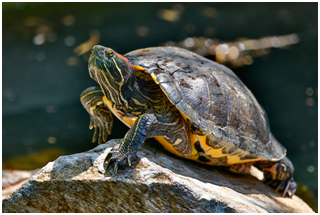 Turtles
The Ultimate Guide to Feeding Mealworms to Turtles
Turtles are among the most fascinating and long-lived pets you can keep, but unlocking their full potential requires highly specific, life-stage-targeted nutrition. Whether you are keeping water-loving aquatic species like the incredibly popular Red-eared Slider, land-dwelling terrestrial giants like Box Turtles, or local South African favorites, these reptiles are highly opportunistic omnivores. Incorporating premium, locally raised mealworms into their diet provides the dense protein and essential lipids they need for strong shells, sharp minds, and long, healthy lives.
The Unique Value of Mealworms for Turtles
A turtle’s entire life is defined by its shell, which requires massive amounts of structural nutrients to grow and remain rock-solid.
The Shell & Muscle Builder: Mealworms are a powerhouse of raw animal protein and essential amino acids. These act as the fundamental building blocks for healthy muscle retention and strong, dense keratin shell scutes.
The "Wiggle" Factor for Aquatic Hunters: Young aquatic turtles can be notoriously picky and easily bored by static, floating pellets. The frantic wiggling action of live mealworms on the water’s surface instantly triggers their wild predatory drive, encouraging stubborn or shy youngsters to eat hearty meals.
Premium Fat Reserves for Brumation: Before turtles enter their natural winter cooling or resting phase (brumation), they need to build clean fat reserves. The natural lipids found in premium mealworms give them the healthy, dense energy storage required to sleep safely through chilly Cape Town winters.
Species-Specific Feeding Guides
1. Red-eared Sliders (and other Aquatic Turtles)
The Dietary Shift: Baby and juvenile Red-eared Sliders are highly carnivorous, requiring up to 70% of their diet to come from animal protein to fuel their rapid growth. As they mature into adults, they transition to a more plant-based diet.
How to Feed: Drop live mealworms directly into the water. The mealworms will wiggle on the surface or sink slowly, creating an exciting underwater hunt. Because aquatic turtles must swallow their food underwater, live mealworms are an exceptionally clean protein source that won’t disintegrate and foul up your expensive aquarium filter like messy raw meat or fish can.
2. Box Turtles (and other Terrestrial Turtles)
The Ground Foragers: Box Turtles are avid land-dwelling foragers that actively hunt down slugs, snails, and beetles among damp leaf litter. They have a strong preference for live prey that moves.
How to Feed: Serve live mealworms in a heavy, shallow ceramic dish placed in the dry zone of their enclosure, or scatter them in a dedicated grass/moss foraging box. The frantic movement of the worms will instantly capture their attention, prompting them to enthusiastically stomp over and feast.
Step-by-Step: The Perfect Turtle Feeding Routine
- Step 1: Choose the Right Grade
For tiny hatchlings and baby turtles, always opt for mini-grade mealworms to prevent choking.
For sub-adults and large adult turtles, medium to large-grade mealworms provide a highly satisfying, crunchy bite.
- Step 2: Supercharge via Gut-Loading (24 Hours Before)
Turtles require a wide array of vitamins for optimal eye, skin, and organ health. Turn your mealworms into a nutritional vessel by placing them in a separate tray 24 hours before feeding time. Supply them with fresh slices of dark leafy greens, carrots, or squash.
- Step 3: The Calcium Dusting Trick
Because turtles require an incredibly strict Calcium-to-Phosphorus ratio to build a rock-hard shell and prevent Metabolic Bone Disease (MBD), always dust your mealworms with a high-quality reptile Calcium + Vitamin D3 powder right before feeding.
Website Tip for Aquatic Turtles: Since water can wash powder off quickly, use rubber-tipped feeding tongs to hold the dusted mealworm right at the water’s surface so your turtle can snatch it instantly before the powder dissolves!