
Who Eats Mealworms: Arachnida
Click any animal below to read the full feeding guide.
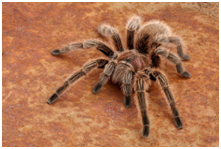 Spiders
The Ultimate Guide to Feeding Mealworms to Tarantulas, Wolf Spiders, and Jumping Spiders
Spiders are affectionately known as the multi-legged architects of the invertebrate world. Famous for their striking patterns, calculated hunting styles, and fascinating behaviors, these arachnids are South Africa’s fastest-growing exotic pets. To maintain their intricate webs, powerful strikes, and successful molting cycles, spiders require a pristine, moisture-rich source of animal protein. Incorporating premium, locally raised live mealworms into their routine provides the dense nutrients and explosive predatory stimulation they need to thrive.
Why Spiders Thrive on Premium Mealworms
As ambush predators, wild arachnids rely entirely on the vibrations and movements of live prey to trigger their hunting instincts. Providing live mealworms satisfies this deeply hardwired predatory drive while ensuring safety for your pet.
The Safest “Non-Aggressive” Live Prey: Unlike crickets or roaches, which have powerful mandibles and can bite back—potentially injuring or killing a delicate spider—mealworms are relatively harmless. This makes them an exceptionally safe live food choice, especially for young spiderlings (slings) or timid species.
The Ultimate Post-Molt Recovery Fuel: Molting is an exhausting, dangerous process where a spider sheds its entire exoskeleton to grow. Once their new skin hardens, they are ravenous but physically depleted. The high fat content and dense proteins in mealworms provide an efficient calorie boost to quickly rebuild their energy reserves.
A Vital Source of Hydration: Spiders rarely drink standing water and instead absorb the vast majority of their moisture directly from their prey. Gut-loaded mealworms act as juicy biological hydration packs, safely delivering essential fluids directly to your arachnid’s digestive system.
Managing the Diet: Size and Frequency
Because spiders range from tiny, flea-sized jumping spiders to massive, hand-sized tarantulas, matching the mealworm grade to the size of the spider is critical for a successful hunt.
| Arachnid Type & Life Stage | Ideal Mealworm Grade | Role & Frequency |
|---|---|---|
| Jumping Spiders(All life stages) | Strictly Mini Grades | Feed 1 to 2 worms every 3 to 5 days based on abdomen size. |
| Wolf Spiders & Slings(Local species & young tarantulas) | Mini to Small Grades | Offer 1 worm once or twice a week to fuel steady growth. |
| Adult Tarantulas(e.g., Baboon Spiders, Birdeaters) | Medium to Large Grades | Feed 2 to 4 worms every 1 to 2 weeks as a premium staple or rotational treat. |
Step-by-Step: The Perfect Arachnid Feeding Routine
Step 1: The 24-Hour Nutritional Supercharge (Gut-Loading)
Never feed empty insects to your spiders. 24 hours before feeding, place your live mealworms into a separate tray with fresh slices of carrots, butternut, or apples. Spiders cannot digest vitamin powders dusted on the outside of an insect, so the mealworms must eat these nutrients first. This passes the vitamins and hydration directly into your spider’s abdomen.
2. The Golden Rule of the Spider’s Abdomen
Always look at your spider’s abdomen (the rear section) before offering a mealworm. If the abdomen is round, plump, and bulbous, your spider is well-fed and does not need food. If it looks slim or slightly wrinkled, it is time to feed. Never feed a spider that is in “pre-molt” (when it becomes sluggish and its skin darkens), as they will refuse food and can be stressed by a crawling insect.
3. Presenting the Meal Safely
Mealworms are notorious burrowers. If you drop a mealworm onto loose peat or coco-peat substrate, it will instantly dig underground, turn into a beetle, and potentially disturb your spider later.
Website Tip: Always present the mealworm using rubber-tipped feeding tongs directly in front of the spider to trigger an immediate strike. Alternatively, place the mealworm in a tiny, smooth-sided plastic dish, or gently crush the mealworm’s head with your tongs right before dropping it into the enclosure. This stops it from burrowing while keeping its body wriggling to attract the spider!