
Who Eats Mealworms: Mammals
Click any animal below to read the full feeding guide.
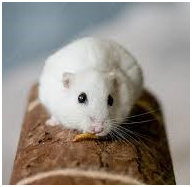 Hamsters
The Ultimate Guide to Feeding Mealworms to Hamsters
Hamsters are beloved around the world for their charming personalities, frantic wheel-running, and adorably stuffed cheek pouches. Whether your customers keep Syrian, Dwarf, or Roborovski hamsters, many are surprised to learn that these popular pocket pets are not strict vegetarians—they are dedicated omnivores. In the wild, a large portion of a hamster’s natural foraging routine involves digging up crunchy beetles, grubs, and larvae. Incorporating premium, locally raised live mealworms into their diet is the absolute best way to honor their wild biology, boost their energy, and keep them radiantly healthy.
Why Omnivorous Hamsters Love Premium Mealworms
While commercial hamster seed mixes provide basic grains, they often lack the high-quality, bioavailable animal protein that hamsters naturally crave.
The Power of Pure Animal Protein: Protein is the building block for lean muscle maintenance and cell repair. The dense amino acids in mealworms are exceptionally easy for a hamster’s digestive tract to absorb, providing a vastly superior protein source compared to plant-based alternatives.
Supercharging Glossy Coats and Healthy Skin: Hamsters are fastidious groomers, but maintaining a thick, plush, and shiny coat requires a steady supply of healthy lipids (fats) and omega fatty acids. The premium fats found in mealworms feed the fur follicles from the inside out, preventing dry, itchy skin and patchy coats.
The Ultimate Pregnancy and Pup Fuel: Breeding hamsters takes an immense physical toll on a female. If a nursing mother suffers from a protein deficiency, she may abandon or harm her litter. Feeding her a steady supply of mealworms gives her the dense calories and nutritional security she needs to safely and successfully raise healthy, plump pups.
Sizing and Feeding Schedules: A Guide to the Breeds
Because hamsters range from tiny dwarfs to larger Syrian varieties, tailoring your mealworm sizes ensures a perfectly safe and rewarding snack.
- For Syrian Hamsters: Eagerly offer 2 to 3 large mealworms 2 to 3 times a week. They absolutely love the crunch and will confidently grasp them in their front paws.
- For Dwarf & Roborovski Hamsters: Stick to 2 to 3 mini or small-grade mealworms 2 to 3 times a week. These smaller sizes are perfectly proportional to their delicate jaws.
Step-by-Step: The Perfect Hamster Feeding Routine
Step 1: The 24-Hour Vitamin Pack (Gut-Loading)
Never feed empty bugs to your pets. 24 hours before feeding time, place your live mealworms into a separate tray. Supply them with premium slices of carrots, apples, or broccoli. The mealworms absorb these vitamins, transforming them into a nutrient-rich vessel for your hamster.
Step 2: Activate the Cheek-Pouch Instinct
Hamsters are biologically hardwired to hoard food and take it back to their underground nesting chambers.
Step 3: Choose Live for Maximum Enrichment
While dried mealworms can be mixed into seeds, live mealworms are vastly superior for hamsters. The frantic wiggling action triggers their natural foraging curiosity, providing incredible mental stimulation that cures cage boredom and keeps them active.
Website Tip: Try hand-feeding a live mealworm or dropping it into their enclosure. Watch the magic happen: your hamster will instantly grab the wiggling worm, expertly pop it straight into their elastic cheek pouches, and scurry off to hide it in their favorite burrowing corner for a late-night feast!
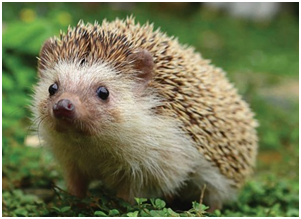 Hedgehogs
The Ultimate Guide to Feeding Mealworms to Hedgehogs
Hedgehogs are the delightful, spikey balls of joy taking the pet world by storm. With their adorable snuffling noses, curious personalities, and quiet nocturnal habits, the African Pygmy Hedgehog has become a massive favorite in South Africa. Because hedgehogs belong to the biological group Insectivora, their entire anatomy is built to seek out and digest crunchy bugs. Incorporating premium, locally raised live mealworms into their diet is the absolute ultimate way to satisfy their natural instincts, support their unique metabolism, and build an unbreakable bond with your pet.
Why Hedgehogs are Critically Hardwired for Mealworms
In the wild, an African hedgehog spends its nights walking kilometres through savannas and grasslands, using its powerful sense of smell to dig up grubs, beetles, and worms.
The Irresistible “Crunch” Factor: Hedgehogs possess highly specialized, sharp teeth designed specifically for puncturing and crushing the tough outer shells (exoskeletons) of bugs. The natural, satisfying crunch of a premium mealworm provides vital dental exercise that helps keep their teeth clean and strong.
The Ultimate Bonding & Taming Tool: Hedgehogs are notoriously shy and will instinctively roll into a protective ball of sharp quills when frightened. However, their love for mealworms completely overrides their fear! Offering a wiggling mealworm from your hand or using feeding tongs is the single most effective way to coax a shy hedgehog out of its ball and teach it to trust your scent.
Invaluable Mental Enrichment: Captive hedgehogs are highly prone to obesity and boredom if they just eat static kibble from a bowl. The active, unpredictable movement of live mealworms stimulates their nocturnal foraging drive, keeping their minds sharp and their bodies moving.
Managing the Diet: The Golden Rule of Moderation
While mealworms are a hedgehog’s absolute favorite food, they are highly rich and packed with dense lipids (fats). To keep your spikey friend perfectly healthy and trim, mealworms should be fed as a high-reward treat or nutritional supplement alongside a high-quality, lean protein staple (like premium hedgehog kibble).
- For Growing Juveniles: Feed 3 to 4 medium mealworms daily to provide the rich energy needed for fast-growing bones and quills.
- For Healthy Adults: Feed 3 to 5 large mealworms 2 to 3 times a week as a reward or foraging enrichment.
- For Nursing Mothers: Eagerly supply a daily handful of premium mealworms to help her replace the massive energy reserves lost while producing milk for her hoglets.
Step-by-Step: The Perfect Hedgehog Feeding Routine
Step 1: The 24-Hour Nutritional Supercharge (Gut-Loading)
A mealworm is a reflection of what it has recently eaten. Because hedgehogs require excellent liver and skin health to maintain their quills, your mealworms should be packed with vitamins. 24 hours before feeding, place your live mealworms in a separate tray and feed them fresh slices of carrots, apples, or sweet potatoes.
Step 2: Create a Nocturnal Foraging Hunt
Hedgehogs wake up at dusk and love to hunt in the dark. Instead of just dropping mealworms into a standard food bowl, create a fun enrichment game:
Take a shallow cardboard box or plastic tray and fill it with safe foraging materials like dry leaves, crinkled paper strips, or clean fleece strips.
Drop a handful of live, wiggling mealworms into the mix and shake it lightly so they drop to the bottom.
Watch the magic happen: Your hedgehog will spend hours joyfully snuffling, digging, and rooting around the tray using its nose to track down the wiggling worms!
Step 3: Always Choose Live Over Dried
While dried insects are widely sold, live mealworms are vastly superior for hedgehogs. Dried mealworms completely lack moisture, which can strain a hedgehog’s kidneys. Furthermore, live mealworms retain 100% of their natural juices and movement, which is mandatory for triggering that invaluable, anti-boredom foraging behavior.
Important Legal Notice (South Africa)
African Pygmy Hedgehogs (Atelerix albiventris) are illegal to keep as pets in the Western Cape (including Cape Town) under CapeNature regulations. This restriction exists to protect the indigenous Southern
African Hedgehog (Atelerix frontalis) from crossbreeding and ecological risks.
- Western Cape, Eastern Cape, Free State: Keeping African Pygmy Hedgehogs is prohibited.
- Other provinces: Rules vary — some allow them with permits, others without.
Key takeaway: If you are based in Cape Town or the Western Cape, it is not legal to own African Pygmy Hedgehogs.
 Meerkats
The Ultimate Guide to Feeding Mealworms to Meerkats
Meerkats—or Suricates—are the undisputed symbols of the African savanna. Famous for their charming upright posture, dark “sunglasses” eye patches, and intensely loyal family networks, these highly intelligent mammals are a headline attraction at wildlife parks and sanctuaries across South Africa. Because meerkats have an incredibly high metabolism and do not store excess body fat, they are biologically hardwired to spend almost all of their daylight hours digging for food. Incorporating premium, locally raised live mealworms into their daily enrichment is the gold standard for fulfilling their natural foraging instincts and maintaining their robust pack health.
Why Insectivorous Meerkats Depend on Mealworms
In their natural arid habitats across the Kalahari and Karoo, over 80% of a meerkat’s natural wild diet consists of insects, grubs, and subterranean larvae.
The Ultimate Metabolic Fuel: Meerkats are a non-stop bundle of nervous energy. A standard commercial diet like dog kibble contains far too many carbohydrates, causing meerkats to become lethargic and dangerously overweight. Premium mealworms provide the high-protein, low-carbohydrate nutrition they are evolutionarily designed to process.
The Sentry Alert System Spark: Within a meerkat mob, individuals take turns acting as a sentry, standing guard to watch for predators while the rest of the family digs for food. Providing highly appealing, wiggling live mealworms acts as an exceptional nutritional reward that keeps the working pack alert, active, and cooperative.
Preventing Metabolic Bone Disease: Captive meerkats are highly vulnerable to skeletal deformities and bone density failure if they lack proper minerals. The natural moisture and structural protein inside live mealworms serve as an exceptional base for vitamin and calcium assimilation.
Sizing and Pack Feeding Schedules
Because meerkats live and forage in tight-knit social groups called mobs, their mealworm rations should be distributed to prevent dominant individuals from hoarding the food.
- For Growing Pups: Feed 5 to 10 small or medium mealworms daily alongside their soft foods to support rapid, healthy bone and muscle development.
- For Active Adults: Supply a hearty scattering of large-grade mealworms daily as part of their continuous, multi-small-meal foraging routine.
Step-by-Step: The Perfect Sanctuary Foraging Routine
Step 1: The 24-Hour Nutritional Pack (Gut-Loading)
A mealworm is only as healthy as its last meal. 24 hours before feeding, place your live mealworms into a separate tray. Supply them with premium slices of carrots, sweet potatoes, or apples. The mealworms absorb these vitamins, transforming them into a highly nutritious vessel that delivers vital organ support straight to your meerkats.
Step 2: The Essential Calcium Dusting
To maintain an optimal calcium-to-phosphorus ratio for rock-solid bone development, always lightly dust your live mealworms with a specialized zoo-grade reptile or carnivore calcium powder right before offering them to the enclosure.
Step 3: Create a Subterranean Digging Hunt
Meerkats possess long, powerful, curved claws designed specifically for digging deep into the earth. Never simply drop mealworms into a static bowl. Instead, use their natural biology to drive physical rehabilitation and enrichment: Take a wide, shallow tray or a designated digging pit inside their enclosure and fill it with loose desert sand, clean soil, or dry leaf litter.
Scatter your live, wiggling mealworms into the tray and mix it lightly so they bury themselves beneath the surface.
Release the mob. Your meerkats will spend hours enthusiastically using their highly developed sense of smell to track, dig up, and harvest the wiggling worms, perfectly replicating their natural wild foraging behavior.
Important Legal Notice (South Africa)
Note: Because meerkats are indigenous to South Africa, it is strictly illegal to remove them from the wild or keep them as domestic pets without highly specialized provincial nature conservation permits. This guide is specifically tailored for registered wildlife sanctuaries, accredited rehabilitation centres, and legally permitted wildlife parks.
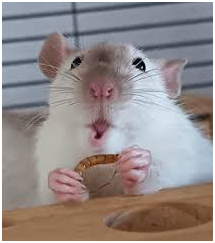 Pet Rats
The Ultimate Guide to Feeding Mealworms to Pet Rats
Pet rats are widely considered the “pocket puppies” of the small animal world. Incredible intelligent, highly affectionate, and capable of learning complex tricks, these social rodents form deeply rewarding bonds with their human families. To fuel their busy minds and athletic bodies, rats require a highly diverse, omnivorous diet. While many owners rely entirely on grain blocks, wild rats actively hunt down insects for premium nutrition. Incorporating locally raised live mealworms into their routine is the ultimate way to satisfy their natural instincts, support their health, and supercharge your bonding time.
Why Intelligent Pet Rats Thrive on Premium Mealworms
Rats are opportunistic omnivores. Their digestive systems, teeth, and brains are biologically hardwired to crave and process animal-based proteins alongside their grains and vegetables.
High-Quality, Bioavailable Protein: Protein is essential for maintaining lean muscle mass, tissue repair, and immune system strength. The dense amino acids in premium mealworms are incredibly easy for a rat’s digestive tract to absorb, providing a vastly superior protein source compared to soy or plant-based fillers found in cheap commercial feeds.
Fueling Glossy Coats and Healthy Skin: Rats are meticulous groomers, but maintaining a thick, plush coat requires a steady supply of healthy lipids (fats) and omega fatty acids. The natural fats found in mealworms feed the fur follicles from the inside out, reducing the risk of dry, itchy skin and patchy coats.
The Ultimate Training “Super-Bribe”: Because rats are exceptionally smart, they require mental stimulation. Mealworms are a rat’s absolute favorite high-value treat. Offering a wiggling mealworm from your fingers or using feeding tongs is the single most effective way to teach complex tricks (like spinning, agility courses, or coming when called) and win the trust of a shy new pet.
Managing the Diet: The Rule of Moderation
While rats will gladly eat mealworms until they pop, these insects are highly rich and packed with dense energy. To keep your rats perfectly lean, sleek, and healthy, mealworms should be fed as a high-reward treat or nutritional supplement rather than a 24/7 food source.
- For Growing Kittens (Baby Rats): Eagerly feed 2 to 3 medium mealworms daily to provide the rich protein needed for fast-growing bones and muscles.
- For Healthy Adults: Feed 3 to 5 large mealworms 2 to 3 times a week as a training reward or foraging enrichment.
- For Nursing Mothers: Eagerly supply a daily handful of premium mealworms to help her replace the massive energy reserves lost while producing milk for a large litter of pups.
Step-by-Step: The Perfect Rat Feeding Routine
Step 1: The 24-Hour Nutritional Pack (Gut-Loading)
A mealworm is only as nutritious as the food it has recently eaten. 24 hours before feeding your rats, place your live mealworms into a separate tray. Supply them with premium slices of carrots, apples, or sweet potatoes. The mealworms absorb these vitamins, transforming them into a nutrient-dense vessel that passes directly to your pets.
Step 2: Create an Interactive Foraging Hunt
Rats are natural problem-solvers that love to dig and explore. Instead of just dropping mealworms into a standard food bowl, turn feeding time into an interactive game:
Take an empty egg carton or a small cardboard box and fill it with safe shredded paper or dry leaves.
Scatter a handful of live, wiggling mealworms inside and close the box loosely.
Place the box in their cage. Watch the magic happen: your rats will use their powerful noses to smell the worms, joyfully shred the cardboard apart, and work together to hunt down the wiggling treats. This provides fantastic mental exercise that cures cage boredom.
Step 3: Always Choose Live Over Dried
While dried insects are widely available, live mealworms are vastly superior for pet rats. Dried mealworms lack natural moisture, which can put unnecessary strain on a rat’s kidneys over time. Live mealworms retain 100% of their natural juices, flavor, and erratic movement, which is mandatory for triggering that invaluable, anti-boredom hunting behavior.
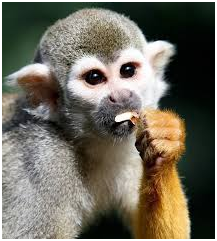 Squirrel Monkeys
The Ultimate Guide to Feeding Mealworms to Squirrel Monkeys
Squirrel Monkeys are the hyper-intelligent, incredibly athletic dynamos of the exotic mammal world. Native to the lush tropical rainforests of Central and South America, these highly social primates possess an astonishingly fast metabolism and an insatiable curiosity. To maintain their lean, muscular frames and support their non-stop canopy acrobatics, Squirrel Monkeys require a highly diverse, omnivorous diet. Incorporating premium, locally raised live mealworms into their routine is the absolute gold standard for satisfying their wild predatory instincts and fueling their intense lifestyles.
Why Omnivorous Squirrel Monkeys Rely on Mealworms
In their natural wild habitats, up to 75% of a Squirrel Monkey’s daily diet consists of insects, spiders, and tree frogs. They are highly specialized insect hunters.
Fulfilling the Wild Insectivorous Drive: Squirrel Monkeys spend hours meticulously examining leaves, rolling back bark, and searching twigs for crawling prey. A static diet of fruits and monkey pellets completely fails to engage their brains. The frantic wiggling action of live mealworms immediately ignites their hunting reflexes, providing vital mental and physical exercise.
Premium, High-Protein Metabolic Fuel: Squirrel Monkeys burn through calories at an exceptional rate. Unlike standard pet foods packed with unnatural plant carbohydrates, mealworms offer dense, highly bioavailable animal protein and healthy lipids (fats) that match the exact nutritional profile their bodies evolved to process.
The Ultimate Training & Enrichment Tool: Because these primates possess elite problem-solving intelligence, they can easily become bored, stressed, and destructive in captivity. Mealworms are their absolute favorite high-value treat. They are an irreplaceable tool for sanctuary keepers practicing positive reinforcement training or performing essential veterinary health checks.
Managing the Troop: Sizing and Distribution
Because Squirrel Monkeys live in highly organized social hierarchies, mealworm distribution must be carefully managed so that dominant troop members do not hoard the entire supply.
- For Growing Juveniles: Hand-feed or separate juveniles to offer 5 to 8 medium mealworms daily, ensuring they get the dense protein required for fast bone and muscle development.
- For Active Adults: Incorporate a generous daily handful of large-grade mealworms directly into their interactive foraging challenges.
- For Nursing Mothers: Supply extra premium mealworms daily to help her replace the massive energy reserves lost while carrying and nursing her infant.
Step-by-Step: The Perfect Primate Enrichment Routine
Step 1: The 24-Hour Nutritional Pack (Gut-Loading)
Never feed empty bugs to highly sensitive primates. 24 hours before feeding time, place your live mealworms into a separate tray. Feed them vitamin-dense slices of sweet potatoes, broccoli, butternut, and apples. The mealworms absorb these nutrients, acting as a live delivery vehicle that passes vital vitamins straight into the monkey’s system.
Step 2: The Critical Mineral Dusting
To support their fast-moving skeletons and prevent debilitating conditions like Metabolic Bone Disease (MBD) or rickets, always lightly dust your live mealworms with a specialized primate or reptile Calcium + Vitamin D3 powder right before offering them to the troop.
Step 3: Create a Complex Canopy Foraging Puzzle
Squirrel Monkeys love a challenge. Never simply drop mealworms into a standard food bowl where they can be gobbled up in seconds. Instead, use their natural intelligence to drive behavioral enrichment:
Take a plastic bottle with small holes drilled into it, or a hollow bamboo tube stuffed with safe, dry wood wool or shredded paper.
Drop your live, wiggling mealworms inside the puzzle feeder.
Hang the device high up in the climbing branches of the enclosure.
Watch the magic happen: The Squirrel Monkeys will work together, using their agile fingers to pick, pull, and shake the device, forcing the wiggling mealworms to fall out slowly. This perfectly replicates their wild tree-foraging behavior and provides hours of captivating entertainment.
Nutritional Benefits of Mealworms for Monkeys
- High Protein Content for Growth and Maintenance Mealworms contain around 50% protein (dry weight). Protein supports muscle growth, immune function, and overall health — especially important for growing or highly active monkeys.
- Essential Fatty Acids for Skin and Overall Health Rich in linoleic and linolenic acids, mealworms help maintain healthy skin, fur, and brain function.
- Vitamins and Minerals Mealworms provide B vitamins, vitamin E, calcium, phosphorus, iron, and zinc — all vital for bone strength, immune support, and general wellbeing.
- Dietary Diversity and Enrichment Offering mealworms adds variety and enrichment, stimulating monkeys’ natural curiosity and keeping them mentally engaged.
Crucial Compliance Notice
Squirrel Monkeys (Saimiri) are highly advanced exotic primates. In South Africa, their ownership is strictly regulated under provincial nature conservation laws. Keeping them requires specialized permits issued by the relevant conservation authority, and compliance is mandatory.