
Who Eats Mealworms: Farm Animals
Click any animal below to read the full feeding guide.
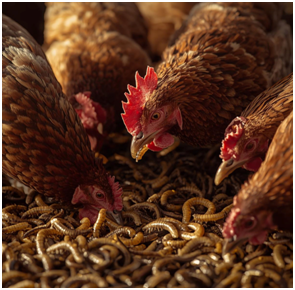 Chickens
The Ultimate Guide to Feeding Mealworms to Chickens
Chickens are affectionately known as the feathered comedians of the backyard world. Famous for their quirky head-bobbing sprints, curious clucking, and remarkable ability to turn kitchen scraps into backyard gold, these delightful birds are South Africa’s ultimate sustainable pets. To maintain their beautiful plumage, robust immune systems, and daily egg-laying superpowers, chickens require an energy-dense, high-protein diet. Incorporating premium, locally raised live mealworms into their routine provides the dense amino acids, essential lipids, and intense instinctual scratching enrichment they need to truly rule the roost.
Why Chickens Thrive on Premium Mealworms
As natural, jungle-descended omnivores, wild chickens spend up to 90% of their waking hours actively scratching at the earth, flipping leaves, and hunting down crawling bugs and larvae. Replicating this scratching, high-protein lifestyle in captivity is vital for their physical vitality and flock harmony.
The Ultimate Molting Recovery Fuel: Once a year, chickens shed their old feathers and grow new ones—a grueling process called molting that drains up to 25% of their body’s protein reserves. Because feathers are made of roughly 85% keratin (a protein), feeding live mealworms provides the perfect, bioavailable amino acid boost to speed up feather regrowth and keep your birds insulated during chilly South Winter nights.
The Golden Yolk and Shell Strength Secret: Laying an egg almost every day demands immense internal resources. Mealworms are exceptionally high in essential fatty acids and lipids, which directly translate to larger eggs, firmer whites, and rich, deep-orange yolks. Furthermore, the chitin in their shells provides natural dietary building blocks that support overall metabolic health.
The Ultimate Flock Peacemaker: Cooped-up chickens easily become bored, leading to destructive flock behaviors like feather-pecking, bullying, and egg-eating. Scattering a handful of wiggling live mealworms into their run instantly triggers a high-speed game of “chicken football,” channeling their excess energy into a healthy, natural foraging workout.
Managing the Diet: Size and Frequency
Because chickens have a highly efficient, hard-working gizzard that can easily crush the toughest insect shells with the help of swallowed pebbles (grit), they can enthusiastically consume any size or lifecycle stage of a mealworm—including the adult beetles!
| Flock Member / Phase | Ideal Mealworm Grade | Role & Frequency |
|---|---|---|
| Chicks (Under 6 Weeks) | Mini to Small Grades | Offer a tiny pinch daily to stimulate early growth and muscle development. |
| Growing Pullets & Layers | Medium to Large Grades | Scatter a handful daily to fuel egg production and feather health. |
| Roosters & Show Birds | Strictly Large Grades | Feed 3 to 4 times a week for premium muscle mass and high-gloss plumage. |
Step-by-Step: The Perfect Chicken Feeding Routine
Step 1: The 24-Hour Omega and Calcium Supercharge
Never feed empty insects to your flock. 24 hours before feeding, place your live mealworms into a separate tray. Feed them nutrient-dense slices of butternut, pumpkin, or dark leafy greens like kale and spinach. The mealworms absorb these carotenoids and vitamins, transforming into a highly nutritious biological capsule that passes directly into your hens, resulting in those prized, vibrant orange breakfast yolks.
2. The Golden Rule of Treat Moderation
While chickens will aggressively beg for mealworms, they should always be treated as a premium supplement, not a complete replacement for their commercial layers’ mash or pellets. Live mealworms are a luxury high-protein treat; ensure they make up no more than 10% of your flock’s total daily dietary intake to maintain a perfectly balanced nutritional profile.
3. Presenting the Meal Safely
Chickens are chaotic, enthusiastic, and competitive foragers that will happily jump into the air to snatch a treat.
Website Tip: Avoid feeding mealworms directly out of a standard dish, as dominant hens will hoard the food. Instead, throw and scatter the live mealworms across a wide area of loose straw, grass, or turning compost. This forces the entire flock to spread out, scratch, and work for their food, ensuring that even the lowest-ranking hens get their fair share of the prize!
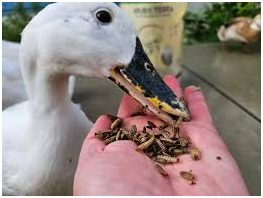 Ducks
The Ultimate Guide to Feeding Mealworms to Ducks
Ducks are the joyful, hard-working entertainers of the backyard world. Whether you are keeping classic Pekins, elegant Indian Runners for natural snail control, or beautiful ornamental waterfowl, ducks bring incredible life to a property. To support their active foraging, water-filtering lifestyles, and heavy egg production, ducks require a diet rich in clean animal proteins. Incorporating premium, locally raised live mealworms into their routine is the absolute gold standard for unlocking radiant health, waterproof feathers, and top-tier egg quality.
Why Foraging Ducks Absolutely Crave Mealworms
In their natural wild habitats, ducks are dedicated omnivores that spend hours filtering mud and water to find aquatic insects, larvae, and small crustaceans.
Flawless Waterproof Plumage: A duck’s survival and comfort depend entirely on its feathers. To stay dry and insulated during cold, wet Cape Town winters, ducks spend hours preening their feathers with oils from their uropygial gland. The rich lipids (fats) and premium amino acids in mealworms directly fuel this gland, ensuring their feathers stay perfectly glossy, dense, and 100% waterproof.
The Ultimate “Snail-Hunter” Recovery Fuel: Many Cape Town homeowners keep Indian Runner ducks specifically to clear garden snails and slugs. However, hunting is hard work, and slugs alone don’t provide a complete nutritional profile. The highly concentrated animal protein in mealworms provides an exceptional recovery fuel that keeps your pest-control squad strong, muscular, and active.
Richer, Better-Quality Eggs: Duck eggs are highly prized for being richer and larger than chicken eggs. To produce these premium eggs consistently without depleting their own bodies, laying ducks require a massive amount of protein. Feeding mealworms directly results in stronger eggshells and deep, vibrant orange yolks.
Managing the Lifecycle: Ducklings to Adults
Because waterfowl grow at a lightning-fast pace, adjusting your mealworm portions based on their age ensures safe growth and perfect skeletal development.
| Life Stage / Phase | Mealworm Grade | Role & Frequency |
|---|---|---|
| Ducklings (Under 4 Weeks) | Small or Medium Grades | Offer small handfuls to provide a safe, highly digestible protein boost for fast-growing bones. |
| Growing Juveniles | Large Grade | Feed a daily handful to support their rapid transition into adult plumage. |
| Adult Waterfowl | Large Grade | Use daily as a high-reward treat, foraging stimulant, or evening coop bribe. |
Step-by-Step: The Perfect Duck Feeding Routine
Step 1: The 24-Hour Nutritional Pack (Gut-Loading)
Never feed empty insects to your flock. 24 hours before feeding time, place your live mealworms into a separate tray. Supply them with premium slices of carrots, apples, or dark leafy greens. The mealworms absorb these vitamins, transforming them into a nutrient-dense vessel that delivers vital organ support straight to your ducks.
Step 2: The “Floating Hunt” Trick (Mental Enrichment)
Ducks are biologically designed to dabble and filter their food through water. Instead of just dropping mealworms onto dry ground where they might crawl away and get lost in the grass, create a fun interactive game:
Take a shallow rubber trug, a low wide bowl, or use the shallow edge of their backyard splash pool.
Drop a handful of live, wiggling mealworms directly into the water.
Watch the magic happen: The mealworms will float and wiggle on the surface. Your ducks will rush over enthusiastically, using their bills to joyfully paddle, filter, and scoop up the wiggling treats. This provides fantastic mental exercise that keeps them highly entertained.
Step 3: The Evening Coop Bribe
Ducks can sometimes be stubborn and uncooperative when it is time to herd them into their safe, predator-proof coop for the night.
Website Tip: Shake your container of live mealworms to create a distinct sound, then scatter a handful inside the coop. Your ducks will quickly learn to associate that sound with their absolute favorite crunchy treat, making evening lock-up completely effortless!
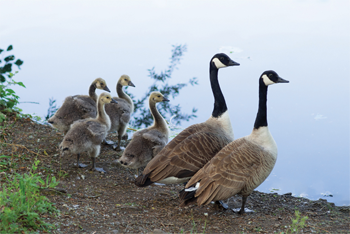 Geese
The Ultimate Guide to Feeding Mealworms to Geese
Geese are affectionately known as the vigilant guardians of the poultry world. Famous for their proud postures, echoing honks, and incredible efficiency as natural lawnmowers, these loyal waterfowl are iconic fixtures across South African smallholdings. While geese are primarily herbivores that graze heavily on fresh grass, they are also highly opportunistic foragers. Incorporating premium, locally raised live mealworms into their routine provides the dense protein, essential lipids, and intense instinctual enrichment they need to maintain their impressive size and waterproof plumage.
Why Geese Thrive on Premium Mealworms
In their natural habits, wild geese spend their days foraging through wetlands and pastures. While they survive mostly on vegetation, they actively hunt down snails, aquatic larvae, and crawling insects to supplement their nutritional needs—especially during critical life phases.
The Ultimate Weapon Against Angel Wing: Goslings grow at a breathtaking, explosive rate. If they receive a diet that is poorly balanced or entirely lacking in the correct animal-derived amino acids, they can develop “Angel Wing”—a condition where the wing joints deform outwards. The highly bioavailable proteins in premium mealworms ensure smooth, balanced skeletal development.
The Ultimate Premium Conditioning Fuel: Producing large, thick-shelled eggs takes an immense physical toll on breeding geese. The healthy fats and concentrated nutrients in live mealworms give breeding geese the vital energy reserves required to maintain peak body condition and ensure excellent fertility rates during the spring breeding season.
Superior Waterproof Plumage Support: A goose relies completely on its feathers to stay warm and dry while swimming. Because feathers are made almost entirely of protein (keratin), feeding live mealworms during the annual autumn molt delivers the essential sulfur-containing amino acids needed to grow strong, glossy, and perfectly waterproof new feathers.
Managing the Diet: Size and Frequency
Because geese are large birds with wide beaks but lack teeth, they rely on a powerful muscular gizzard to crush their food. They can easily swallow and digest any size of mealworm.
| Flock Member / Phase | Ideal Mealworm Grade | Role & Frequency |
|---|---|---|
| Goslings (Under 4 Weeks) | Small to Medium Grades | Feed a tiny handful daily alongside fresh grass to fuel safe, steady growth. |
| Growing Sub-Adults & Layers | Strictly Large Grades | Offer a few handfuls daily to support healthy weight and egg-laying stamina. |
| Mature Breeding Pairs | Large Grades & Pupae | Feed 3 to 4 times a week as a premium conditioning and fertility booster. |
Step-by-Step: The Perfect Goose Feeding Routine
Step 1: The 24-Hour Nutritional Supercharge
Never feed empty insects to your flock. 24 hours before feeding, place your live mealworms into a separate tray. Feed them nutrient-dense slices of butternut, apples, or dark leafy greens like kale. The mealworms absorb these vitamins and pigments, transforming into a highly nutritious biological capsule that passes directly into your geese, promoting robust immune health.
2. The Golden Rule of Grazing Balance
Because geese are primarily grass-eaters, mealworms should strictly be treated as a high-protein supplement or training reward. Ensure live mealworms make up no more than 5% to 10% of their total daily dietary intake. Overfeeding fatty foods can cause geese to put on unhealthy weight, which puts unnecessary strain on their webbed feet and leg joints.
3. Presenting the Meal Safely
Geese are highly visual, social, and enthusiastic eaters that love to forage as a tight-knit team.
Website Tip: To turn feeding time into an interactive game, drop live mealworms into a shallow bowl filled with clean water or scatter them across a clean patch of short, green grass. Geese will enthusiastically scoop them up, filtering the wiggling worms through the ridges of their bills. This simulates natural wetland foraging and ensures every member of the flock gets to enjoy the hunt!
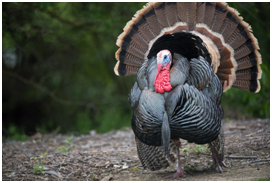 Turkeys
The Ultimate Guide to Feeding Mealworms to Turkeys
Turkeys are affectionately known as the majestic monarchs of the poultry yard. Famous for their grand, fan-like tail displays, inquisitive “gobbling” calls, and surprisingly affectionate bonding with their owners, these impressive birds are South Africa’s ultimate heritage flock animals. To maintain their heavy, muscular frames, dense bone structures, and glossy feathers, turkeys require an exceptionally high-protein diet. Incorporating premium, locally raised live mealworms into their routine provides the dense amino acids, essential lipids, and vital instinctual foraging enrichment they need to truly rule the homestead.
Why Turkeys Thrive on Premium Mealworms
As large, active ground-foragers, wild turkeys spend their days patrolling grasslands and forest floors, using their powerful legs to scratch up roots and hunt down high-protein beetles, grubs, and grasshoppers. Replicating this insect-heavy diet is crucial for their physical health and flock harmony.
The Ultimate High-Protein Starter Fuel: Turkey chicks (called poults) have a much higher protein demand than standard chicken chicks, requiring up to 26% to 28% protein in their starter diets to prevent developmental issues. The concentrated, high-quality animal proteins in live mealworms build robust muscles and help prevent leg weakness or stunting during these critical early growth spurts.
Superior Feather and Molting Armor: Because turkeys carry an immense amount of feathers over their large bodies, their annual autumn molt takes a massive physical toll on their energy reserves. Feathers are made of pure protein (keratin); feeding live mealworms delivers a fast, highly bioavailable hit of amino acids that accelerates feather regeneration and keeps your flock beautifully insulated for the winter.
The Ultimate Tool for Taming and Herding: Turkeys are highly intelligent and can easily be trained using positive reinforcement. The frantic, juicy wiggling of a live mealworm is an irresistible reward; shake a container of mealworms to easily herd your massive birds back into their coop at night, or hand-feed them to tame a shy tom or hen.
Managing the Diet: Size and Frequency
Thanks to their large, powerful beaks and incredibly strong muscular gizzards, adult turkeys can effortlessly crush and digest any size of mealworm, including the pupae and the adult beetles.
| Flock Member / Phase | Ideal Mealworm Grade | Role & Frequency |
|---|---|---|
| Poultry Poults (Under 8 Weeks) | Small to Medium Grades | Feed a small handful daily to fuel rapid bone and muscle development. |
| Growing Sub-Adults & Layers | Strictly Large Grades | Scatter a few handfuls daily to support healthy weight and egg-laying stamina. |
| Mature Toms & Show Birds | Strictly Large Grades / Beetles | Offer 3 to 4 times a week as a premium conditioning treat for high-gloss plumage. |
Step-by-Step: The Perfect Turkey Feeding Routine
Step 1: The 24-Hour Vitamin and Carotenoid Supercharge
Never feed empty insects to your flock. 24 hours before feeding, place your live mealworms into a separate tray. Feed them nutrient-dense slices of pumpkin, carrots, squash, or dark leafy greens like swiss chard. The mealworms absorb these vitamins and natural pigments, transforming into a highly nutritious biological vessel that passes directly into your turkeys, promoting vibrant facial skin color and rich, flavorful egg yolks.
2. The Golden Rule of Backyard Moderation
Because turkeys are massive birds with large appetites, they will eagerly consume your entire mealworm stock if given the chance. Live mealworms must be treated as a luxury high-protein supplement rather than a base feed. Ensure mealworms make up no more than 10% of their total daily food intake to prevent them from becoming overly fatty, which can strain their joints.
3. Presenting the Meal Safely
Turkeys are heavy, enthusiastic foragers that love to scratch and peck dynamically.
Website Tip: To avoid intense competition and bullying between dominant toms and submissive hens, do not feed mealworms from a single tray. Instead, cast and scatter the live mealworms across a broad area of grass, orchard mulch, or pasture. This encourages natural grazing behavior, spreads out the flock, and ensures every bird gets to participate in the rewarding hunt!