
Who Eats Mealworms: Fish
Click any animal below to read the full feeding guide.
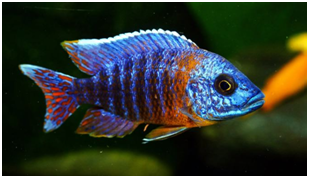 Cichlids
The Ultimate Guide to Feeding Mealworms to Cichlids
Cichlids are affectionately known as the brainiacs of the aquatic community. Famous for their dazzling, neon-bright colours, highly complex social structures, and surprisingly bold personalities, these fish are South Africa’s most rewarding aquarium residents. Because cichlid species come from vastly different evolutionary backgrounds—ranging from the rocky African Rift Lakes to the lush rivers of South America—their dietary needs vary greatly. Incorporating premium, locally raised live mealworms into their routine provides the dense protein, essential lipids, and vital instinctual enrichment required to keep your cichlids in peak condition.
Why Cichlids Thrive on Premium Mealworms
In their native habitats, a large percentage of cichlids are specialized micro-predators or opportunistic omnivores that spend their days hunting down insects, larvae, and small invertebrates. Replicating this dynamic hunting experience is crucial for their physical health and social vitality.
The Ultimate Conditioning Fuel for Breeding: Getting cichlids to successfully pair up and spawn takes an immense amount of energy, especially for maternal mouthbrooders. The concentrated healthy fats and premium animal proteins in live mealworms act as the ultimate conditioning tool, stimulating hormonal triggers and giving breeding pairs the stamina they need.
The Ultimate “Pecking Order” Distraction: Cichlids are notoriously territorial and aggressive, frequently chasing and bullying tank mates to establish a strict hierarchy. Introducing wiggling, live mealworms to the water’s surface instantly shifts their focus, breaking up territory disputes and channeling their aggressive energy into a healthy, natural hunting frenzy.
A Natural Weapon Against Fading Colours: The striking blues, yellows, and reds of show-quality cichlids require specific nutrients to remain vibrant. Mealworms are exceptional biological sponges; by gut-loading them with vitamin-packed foods before feeding, you can deliver a direct, natural colour-boosting treatment straight to your fish.
Managing the Diet: Know Your Cichlid Type
Because the cichlid family is incredibly diverse, feeding mealworms must be tailored to your specific species’ digestive anatomy to prevent health issues like “Malawi Bloat.”
| Cichlid Group & Examples | Mealworm Suitability | Role & Frequency |
|---|---|---|
| Piscivores / Carnivores(e.g., Malawi Eye Biters, Frontosas, Jack Dempseys) | Perfect Staple TreatUse Medium to Large Grades. | Feed 2 to 3 times a week as a high-performance muscle builder. |
| Omnivores(e.g., Kribensis, Peacocks, Convicts, Angelfish) | Excellent Protein BoostUse Small Grades or White Molts. | Offer 1 to 2 times a week as a premium supplement alongside standard food. |
| Herbivores / Aufwuchs Feeders(e.g., Mbuna, Tropheus species) | Strictly Limited TreatUse Mini Grades or White Molts only. | Feed sparingly once every two weeks max; their long digestive tracts prefer greens. |
Step-by-Step: The Perfect Cichlid Feeding Routine
Step 1: The 24-Hour Nutritional Customization
Never feed empty insects to your pets. 24 hours before feeding your cichlids, place your live mealworms into a separate tray. If you are feeding carnivorous or omnivorous cichlids, feed the mealworms carrots or butternut for a vitamin-A boost. If you are feeding Rift Lake omnivores, dust the mealworms with high-quality spirulina powder. The mealworms absorb these targeted nutrients, creating a customized supplement for your specific setup.
2. The Soft-Shell Selection (Targeting White Molts)
For smaller species like Angelfish, Rams, or juvenile African Peacocks, the tough outer shell (chitin) of a regular mealworm can sometimes cause mild digestive strain. Keep an eye out for freshly molted mealworms that are completely white. These are incredibly soft, highly digestible, and the perfect bite-sized protein package for delicate or medium-sized cichlids.
3. Presenting the Meal Safely
Cichlids are exceptionally fast, competitive feeders that will rapidly snatch food away from weaker tank mates.
Website Tip: To ensure everyone in the tank gets a share and to prevent fighting, scatter the mealworms across the entire surface of the water simultaneously. For smaller dwarf cichlids, use a clean blade to finely chop the mealworms first. Always ensure all pieces are eaten within 3 minutes to keep your aquarium chemistry perfectly balanced.
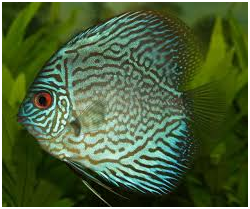 Discus Fish
The Ultimate Guide to Feeding Mealworms to Discus Fish
Discus fish are affectionately known as the kings of the aquarium world. Famous for their majestic, disc-like shapes, regal swimming movements, and breathtaking array of neon patterns, these Amazon River natives are South Africa’s ultimate showpiece aquatic pets. To maintain their vibrant, prize-winning coloration, perfectly rounded bodies, and delicate immune systems, Discus require an exceptionally clean, high-protein diet. Incorporating premium, locally raised live mealworms into their routine provides the dense amino acids, essential lipids, and intense foraging enrichment they need to truly thrive.
Why Discus Fish Thrive on Premium Mealworms
As cautious, highly observant micro-predators in the slow-moving floodplains of the Amazon, wild Discus spend their days grazing on small insects, larvae, and aquatic invertebrates. Replicating this natural, high-protein grazing habit in captivity is vital for their physical health and emotional well-being.
The Ultimate Juvenile Growth Engine: Young Discus grow at a demanding rate, requiring a high-protein, calorie-dense diet to build their iconic, thick, plate-like shapes. The premium animal proteins in mealworms provide the essential muscle-building blocks needed to prevent stunted growth and ensure a perfectly round body profile.
The Perfect Cure for Stress-Induced Hunger Strikes: Discus are notoriously shy, sensitive fish that easily go on hunger strikes due to stress, tank changes, or dominant tank mates. The frantic, irresistible wiggling of a live mealworm triggers their deeply hardwired predatory instincts, coaxing even the most stubborn or stressed Discus back into a regular feeding rhythm.
A Natural Weapon Against Dull Colours: The world-famous turquoise, red, and yellow patterns of high-grade Discus require targeted nutrition to maintain their vivid contrast. Because mealworms act as highly absorbent biological sponges, gut-loading them with vitamin-dense foods before feeding allows you to deliver a direct, organic colour-boosting treatment.
Managing the Diet: Size and Frequency
Because Discus have relatively small, delicate mouths and highly sensitive digestive tracts, choosing the correct mealworm size and texture is absolutely critical to avoid intestinal blockages or stress.
| Life Stage / Phase | Mealworm Grade | Role & Frequency |
|---|---|---|
| Juvenile Discus (Under 8cm) | Strictly Mini Grades (Chopped) | Feed 2 to 3 times a week as an essential, high-protein growth supplement. |
| Sub-Adult Discus (8cm to 12cm) | Small Grades & White Molts | Offer 2 times a week alongside high-quality beef heart or flakes. |
| Adult Show Discus (Over 12cm) | Strictly Small Grades & White Molts | Feed 1 to 2 times a week as a premium rotational protein and conditioning treat. |
Step-by-Step: The Perfect Discus Feeding Routine
Step 1: The 24-Hour Nutritional Customization
Never feed empty insects to your delicate fish. 24 hours before feeding your Discus, place your live mealworms into a separate tray. Feed them nutrient-dense slices of sweet potato, carrots, or a heavy dusting of pure spirulina powder. The mealworms absorb these targeted vitamins, transforming them into a highly nutritious, customized vitamin capsule that passes directly into your Discus.
2. The Golden Rule: Only Target Fresh White Molts
This is the most critical step for Discus. The regular brown outer shell (chitin) of a standard mealworm is far too tough and fibrous for a Discus to digest safely. Only select freshly molted mealworms that are completely white and soft. These “white worms” are exceptionally tender, highly digestible, and present zero risk of internal impaction.
3. Presenting the Meal Safely
Discus are slow, deliberate, and gentle feeders that like to inspect their food carefully before striking.
Website Tip: Discus will not rush to the surface like aggressive cichlids. Use a clean blade to finely chop your soft white mealworms into bite-sized pieces, and use rubber-tipped feeding tongs to gently release them directly into the water column near your fish. Ensure all pieces are consumed within 3 minutes, and immediately siphon out any leftovers to keep your pristine, warm water chemistry perfectly balanced!
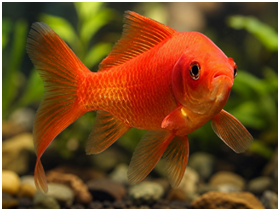 Goldfish
The Ultimate Guide to Feeding Mealworms to Goldfish
Goldfish are affectionately known as the aquatic jewels of the pet world. Famous for their shimmering scales, expressive faces, and curiously playful personalities, these cold-water beauties are South Africa’s most popular aquatic companions. To maintain their vibrant colours, flowing fins, and energetic swimming habits, goldfish require a varied, nutrient-dense diet. Incorporating premium, locally raised live mealworms into their routine provides the dense protein, essential lipids, and intense instinctual enrichment they need to thrive.
Why Goldfish Thrive on Premium Mealworms
As opportunistic aquatic foragers, wild ancestral carp spend their days sifting through riverbeds hunting for small insects, larvae, and worms. Replicating this predatory experience in captivity is vital for their physical health and vitality.
The Ultimate Fancy Growth Fuel: Trendy fancy goldfish varieties—like Orandas, Ryukins, and Ranchus—grow rapidly and require high-quality animal proteins to develop their characteristic deep body shapes and lush finnage. The dense amino acids in mealworms provide the perfect muscle-building blocks for these highly prized shapes.
The Ultimate Natural Colour Enhancer: Mealworms act as perfect biological vessels. When they are gut-loaded with beta-carotene-rich foods like carrots, pumpkins, or sweet potatoes before feeding, they pass these natural pigments directly to your fish, dramatically intensifying the brilliant reds, oranges, and golds of their scales.
Cleaner, Clearer Aquarium Water: Unlike standard commercial flakes or pellets that quickly dissolve, disintegrate, and foul your tank water, live or freshly sliced mealworms remain perfectly intact in the water column, preventing dangerous ammonia spikes.
Managing the Diet: Size and Frequency
Because goldfish lack true teeth in their mouths and instead crush food using pharyngeal teeth located deep in their throats, choosing the right mealworm size ensures completely safe and highly effective digestion.
| Life Stage / Phase | Mealworm Grade | Role & Frequency |
|---|---|---|
| Juvenile Goldfish | Strictly Mini / Small Grades | Slice into bite-sized pieces to ensure easy swallowing. |
| Adult Fancy Goldfish | Small Grades & White Molts | Feed 1 to 2 times a week as a premium rotational growth booster. |
| Large Pond Goldfish & Koi | Medium to Large Grades | Drop directly onto the surface daily as an active summer energy fuel. |
Step-by-Step: The Perfect Goldfish Feeding Routine
Step 1: The 24-Hour Colour and Vitamin Supercharge
Never feed empty insects to your pets. 24 hours before feeding your fish, place your live mealworms into a separate tray. Feed them nutrient-dense slices of carrots, sweet potatoes, or a dusting of spirulina powder. The mealworms absorb these vitamins, transforming into a highly nutritious vessel that passes directly into your goldfish.
2. Selecting the Softest treats (The White Worm Secret)
The absolute best mealworms for aquarium fish are freshly molted individuals. These are mealworms that have just shed their hard outer skins and appear completely white. Because they lack the tough, crunchy outer shell (chitin), they are exceptionally soft and easily digested by delicate fancy goldfish.
3. Presenting the Meal Safely
Goldfish are enthusiastic, frantic surface feeders. If you drop too many mealworms into the aquarium at once, uneaten pieces will quickly sink, get trapped in the gravel, and rot.
Website Tip: Only drop in what your goldfish can completely consume within 5 minutes. For smaller aquarium fish, use a clean blade to chop the mealworms into small pieces. Always use a small net to immediately skim out any uneaten leftovers to keep your aquatic environment pristine!
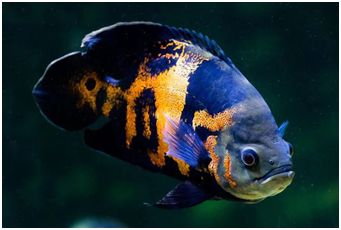 Oscar Fish
The Ultimate Guide to Feeding Mealworms to Oscar Fish
Oscar fish are affectionately known as the water dogs of the aquarium world. Famous for their massive personalities, fierce intelligence, and endearing ability to recognise and “greet” their owners, these South American river natives are South Africa’s most popular large cichlids. To maintain their muscular, athletic builds, striking coloration, and highly active minds, Oscars require a robust, nutrient-dense diet. Incorporating premium, locally raised live mealworms into their routine provides the dense protein, essential lipids, and intense predatory enrichment they need to thrive.
Why Oscar Fish Thrive on Premium Mealworms
As aggressive, apex predators in their natural Amazonian habitats, wild Oscars spend their days hunting down a massive variety of falling insects, surface bugs, and small river creatures. Replicating this thrilling hunting experience in captivity is vital for their physical health and mental stimulation.
The Ultimate Cichlid Growth Fuel: Juvenile Oscars grow at a jaw-dropping rate, often packing on up to 2.5 centimetres of muscle every single month. The dense, high-quality animal proteins and healthy fats packed into live mealworms provide the massive calorie and amino acid reserves needed to fuel these rapid growth spurts.
The Ultimate Cure for Tank Boredom: Oscars are incredibly intelligent and prone to severe boredom, which leads to glass-banging, tank destruction, and aggression. Dropping frantic, wiggling live mealworms onto the water’s surface instantly triggers their predatory strike response, providing invaluable mental exercise.
Intense Coloration Booster: Wild Oscars boast beautiful, fiery orange and red patterns that can easily fade on a boring, pellet-only diet. Mealworms act as perfect biological vessels; when gut-loaded with carotene-rich foods, they pass these natural pigments directly to your fish, locking in deep, fiery contrast.
Managing the Diet: Size and Frequency
Because Oscars are powerful carnivores with spacious mouths and strong pharyngeal jaws, they can safely handle larger insect prey than standard aquarium fish.
| Life Stage / Phase | Mealworm Grade | Role & Frequency |
|---|---|---|
| Juvenile Oscar (Under 10cm) | Small to Medium Grades | Feed 3 to 4 times a week as an essential, high-protein growth fuel. |
| Sub-Adult Oscar (10cm to 20cm) | Medium to Large Grades | Offer every second day alongside cichlid pellets to build thick muscle. |
| Adult Oscar (Over 20cm) | Strictly Large Grades | Feed 2 to 3 times a week as a premium rotational protein and interactive treat. |
Step-by-Step: The Perfect Oscar Feeding Routine
Step 1: The 24-Hour Nutritional Supercharge
Never feed empty insects to your pets. 24 hours before feeding your fish, place your live mealworms into a separate tray. Feed them nutrient-dense slices of butternut, carrots, or a dusting of high-quality spirulina powder. The mealworms absorb these vitamins, transforming into a highly nutritious vessel that passes directly into your cichlid.
2. The Chitin Caution for Young Fish
While large adult Oscars can easily crush the crunchy outer shells (chitin) of adult mealworms, smaller juvenile Oscars have more delicate digestive tracts. For young fish under 10cm, select the freshly molted, completely white mealworms. These are incredibly soft, highly digestible, and completely safe for developing digestive systems.
3. Presenting the Meal Safely
Oscars are enthusiastic, explosive surface strikers that will enthusiastically splash water out of the tank when grabbing a meal.
Website Tip: Drop live mealworms one at a time directly above your Oscar’s favourite hunting spot, or use rubber-tipped feeding tongs to hand-feed them. Hand-feeding wiggling mealworms is the absolute fastest way to tame a shy Oscar and build an unbreakable, dog-like bond with your giant pet!