
Who Eats Mealworms: Birds
Click any animal below to read the full feeding guide.
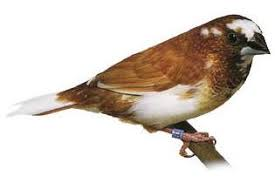 Bengalese Finches
The Ultimate Guide to Feeding Mealworms to Bengalese Finches
Bengalese Finches—affectionately known as Society Finches—are celebrated worldwide as the sweetest, most social, and hardest-working birds in the aviary. Unlike many other species, Bengalese finches do not exist in the wild; they were completely domesticated centuries ago. Because of this, they rely entirely on us to provide perfect nutrition. Incorporating premium mealworms into their diet is the ultimate way to reward their gentle nature and fuel their incredible parental instincts.
Why Domesticated Bengalese Finches Thrive on Mealworms
While Bengalese finches are incredibly resilient and can survive on a standard seed diet, introducing live protein unlocks an entirely new level of health and vitality.
The Ultimate Foster Parents: Bengalese finches are famous for their willingness to foster and raise the chicks of more finicky birds, like Gouldians or Star Finches. Feeding them mealworms ensures these foster parents have the massive energy reserves required to raise multiple demanding clutches back-to-back.
Rapid Chick Growth: For young finch chicks, protein is the building block of life. Mealworms supply highly digestible amino acids that help chicks double their size in days, resulting in stronger skeletons and robust immune systems.
Winter Resilience in Cape Town: Cape Town’s cold, wet winters can be tough on small aviary birds. The healthy, dense lipids (fats) found in mealworms provide excellent insulation and energy to help your flock maintain their core body temperature.
When to Feed: A Guide for Busy Foster Flocks
Because Bengalese finches are highly domestic and willing to breed almost year-round, managing their protein intake helps you control their breeding cycles.
| Season / Cycle | Role of Mealworms | Frequency |
|---|---|---|
| Fostering & Feeding Chicks | Essential. Gives the parents the stamina to feed large, hungry nests without exhausting themselves. | Fresh supply offered twice daily. |
| Molting Season | Highly Recommended. Prevents patchy feathering and helps them grow smooth, silky coats quickly. | 3 times per week. |
| Resting & Wintering | Energy Boost. Keeps their fat reserves up during chilly Cape Town winter nights. | 1 to 2 times per week. |
Best Practices for Feeding Bengalese Finches
Bengalese finches are incredibly cooperative and love to eat together as a group, making feeding time simple and highly rewarding.
1. Go for Mini Sizes or Soft Chops
Bengalese finches have small, gentle beaks. Offer them mini-grade mealworms. If you have very young chicks in the nest, you can also finely chop a few live mealworms and mix them directly into their daily commercial egg-food or soft-food mix for a highly nutritious “power mash.”
2. The Social Feeding Dish
Because these birds are called “Society” finches for a reason, they love doing everything together. Use a wide, shallow, smooth-sided dish so that multiple birds can sit around the rim and eat simultaneously. This prevents squabbling and ensures even the shiest birds get their fair share.
3. Teaching the Rest of the Aviary
Bengalese finches are bold, curious eaters. If you keep a mixed aviary with stubborn, picky species who refuse to try live food, feed your Bengalese finches first. The rest of your birds will watch the Bengalese enthusiastically devouring the mealworms and will quickly copy them!
Side Note: Many birds instinctively process the prey themselves: they’ll bite, mash, or bash larger worms until they’re manageable.
Why This Happens:
- Instinctive prey handling: Small birds often “beat” insects against perches to soften them or break them apart.
- Selective feeding: They’ll consume the juicy, nutrientrich insides and discard the tougher exoskeleton if it’s too much effort.
- Adaptability: Even delicate species can adapt their feeding technique to prey size, provided the worms aren’t dangerously oversized.
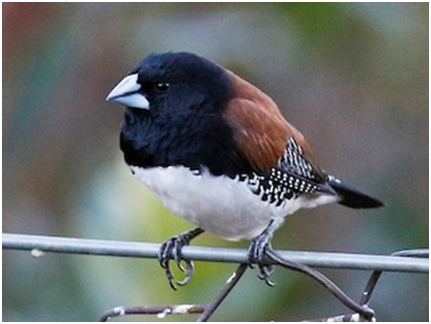 Black and White Mannikins
The Ultimate Guide to Feeding Mealworms to Black-and-white Mannikins
With their striking, high-contrast tuxedo plumage and chunky silver-blue beaks, Black-and-white Mannikins are a captivating addition to any aviary. Native to the lush tropical forests and moist savannas of sub-Saharan Africa, these social, energetic finches are highly regarded for their busy, gregarious personalities. While they are predominantly seed-eaters, scientific field data confirms that wild Mannikins regularly forage for live insects, especially during critical life stages. Incorporating premium mealworms into their routine is the ultimate key to maintaining their robust stamina and unlocking spectacular breeding success.
The Unique Value of Mealworms for Mannikins
In the wild, up to 27% of a Black-and-white Mannikin’s natural diet consists of insects. Replicating this in captivity bridges a vital nutritional gap that standard dry seed mixes simply cannot fill.
Preventing “Condition Crash”: Mannikins are prone to rapid drops in physical condition if they lack diverse nutrients. The rich animal proteins and dense lipids in mealworms maintain their core strength and keep them plump, muscular, and active.
Flawless Tuxedo Plumage: The sleek, deep black and crisp white feathers that give this bird its name require heavy amounts of structural amino acids to develop correctly. Feeding mealworms during a molt ensures their new feathers grow back glossy, dense, and perfectly defined.
The Breeding Instinct Trigger: In nature, a sudden abundance of live insects signals the arrival of the rainy season—the perfect time to raise young. Offering live mealworms to captive Mannikins triggers their natural hormones, reducing nesting reluctance and encouraging them to settle down to breed.
When to Feed: Feeding the Lifecycle
Because Black-and-white Mannikins are opportunistic feeders, adjusting their live food intake based on their breeding cycles prevents them from gaining excess weight.
| Season / Cycle | Role of Mealworms | Frequency |
|---|---|---|
| Breeding & Chick Rearing | Crucial. Parents actively harvest soft insects to feed their rapidly growing nestlings. | Fresh supply offered 1 to 2 times daily. |
| The Annual Molt | Highly Recommended. Accelerates feather regrowth and prevents patchy, dull coats. | 2 to 3 times per week. |
| Winter / Rest Season | Energy Reserve. Provides vital fats to help them maintain their body temperature on cold Cape Town nights. | 1 time per week as a treat. |
Best Practices for Feeding Black-and-white Mannikins
Mannikins have short, powerful, seed-crushing beaks, allowing them to handle live food with absolute ease.
1. Go for Mini or Small Grades
Because they are small birds, mini to small-grade mealworms are the most manageable size. Their softer exoskeletons make them incredibly easy for the birds to manipulate, crush, and feed to hungry chicks.
2. The Freshness Factor (Live vs. Dried)
While dried mealworms can be ground up into soft-foods, live mealworms are vastly superior. The frantic wiggling action of live prey immediately catches a Mannikin’s eye, stimulating their natural foraging curiosity and keeping them mentally sharp.
3. Secure, Smooth-Sided Dishes
Mannikins are comfortable foraging on the ground or from platforms. Place live mealworms in a heavy, shallow ceramic dish with vertical, completely smooth sides. This keeps the mealworms trapped in one spot, ensuring your birds can feast comfortably without the insects escaping into the cage flooring.
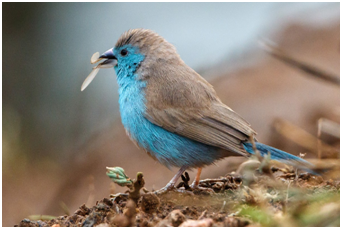 Blue Waxbills
The Ultimate Guide to Feeding Mealworms to Blue Waxbills (Common Cordon-bleus)
Blue Waxbills—lovingly known to aviculturists as Blue-breasted Cordon-bleus—are affectionately known as the sky-blue darlings of the aviary world. Renowned for their breathtaking sky-blue plumage, gentle, social temperaments, and endearing habit of dancing with nesting material, these tiny African finches are absolute favorites across South Africa. While they happily enjoy seed mixes, Blue Waxbills are highly insectivorous in the wild, particularly during the breeding season. Incorporating premium, locally raised live mealworms into their routine provides the dense protein, essential lipids, and intense instinctual foraging enrichment they need to maintain their radiant beauty.
Why Blue Waxbills Thrive on Premium Mealworms
In their native African savanna habitats, Blue Waxbills spend their days hopping along the ground, actively hunting down tiny termites, spiders, and crawling insect larvae. Replicating this insect-heavy diet in captivity is not just a luxury—it is often a biological necessity for their survival.
The Absolute Key to Breeding Success: Unlike many other finch species, Blue Waxbills will completely refuse to breed, or will tragically abandon their eggs, if they do not have a steady supply of live insects. The presence of wiggling live mealworms acts as a powerful hormonal trigger, signaling to the pair that there is enough rich food available to successfully raise a family.
The Ultimate Live-Saving Chick Fuel: Blue Waxbill chicks are exceptionally tiny and fragile, possessing a super-fast metabolism. For the first week of their lives, parents feed them almost exclusively on live animal protein. Premium mini mealworms deliver the essential, concentrated amino acids needed to build tiny muscles, prevent stunting, and ensure chicks fledge successfully.
Vibrant, Sky-Blue Feather Intensity: The striking, luminous blue feathers that cover these birds require specific carotenoids and proteins to remain bright and glossy. Feeding live mealworms during their annual molt gives them a direct hit of highly bioavailable nutrients, preventing their beautiful sky-blue coats from fading into a dull grey.
Managing the Diet: Size and Frequency
Because Blue Waxbills are incredibly small, delicate birds with tiny beaks, matching the mealworm size perfectly is absolutely critical to avoid choking and ensure they can manipulate the prey safely.
| Flock Member / Phase | Ideal Mealworm Grade | Role & Frequency |
|---|---|---|
| Nesting Chicks (First 10 Days) | Strictly Micro / Mini Grades (Finely Chopped) | Crucial daily chick fuel. Chop to ensure the tiny babies can swallow it easily. |
| Breeding & Chick-Rearing Pairs | Strictly Mini Grades & White Molts | Supply a continuous handful daily in a dish; parents will feed chicks non-stop. |
| Non-Breeding Aviary Flocks | Strictly Mini Grades | Offer 2 to 3 worms per bird, 2 to 3 times a week as an essential health supplement. |
Step-by-Step: The Perfect Blue Waxbill Feeding Routine
Step 1: The 24-Hour Nutritional Supercharge (Gut-Loading)
Never feed empty insects to your delicate birds. 24 hours before feeding, place your live mini mealworms into a separate tray. Feed them nutrient-dense slices of sweet potatoes, carrots, or dark leafy greens like broccoli florets. The mealworms absorb these vitamins and pigments, transforming into a highly nutritious biological capsule that passes directly into your waxbills, supporting their immune systems and feather vibrancy.
2. The Golden Rule of the Soft-Shell Selection (White Molts)
Because Blue Waxbills have fine, pointed beaks rather than heavy seed-crushing beaks, the crunchy outer shell (chitin) of a regular brown mealworm can sometimes be too tough for them to crack or digest. Actively select freshly molted mealworms that are completely white. These “white worms” are exceptionally soft, tender, and easily managed by tiny waxbill beaks.
3. Presenting the Meal Safely
Blue Waxbills are enthusiastic but shy ground-feeders that can easily be bullied away from food by larger aviary mates like weavers or larger finches.
Website Tip: To prevent live mealworms from crawling away into the aviary substrate where they will die and rot, always serve them in a shallow, completely smooth-sided ceramic or glass dish.
Preventing Bullying: If you keep a mixed aviary, place the waxbill feeding dish inside a small, selective feeding cage or under a low brush shelter where only the tiny waxbills can comfortably fit. This ensures your prized Cordon-bleus can enjoy their live treats in complete peace without being intimidated by larger birds!
Side Note: Many birds instinctively process the prey themselves: they’ll bite, mash, or bash larger worms until they’re manageable.
Why This Happens.
- Instinctive prey handling: Small birds often “beat” insects against perches to soften them or break them apart.
- Selective feeding: They’ll consume the juicy, nutrientrich insides and discard the tougher exoskeleton if it’s too much effort.
- Adaptability: Even delicate species can adapt their feeding technique to prey size, provided the worms aren’t dangerously oversized.
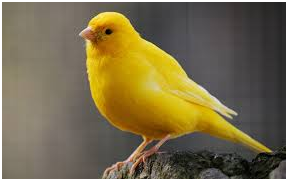 Canaries
The Ultimate Guide to Feeding Mealworms to Canaries
Canaries have been cherished for centuries for their joyful, melodic songs and beautiful variety of colors—from classic vivid yellows and deep reds to intricate lizards and crests.
Unlike many wild finches, domestic Canaries have been selectively bred by humans for generations, making them completely reliant on us for perfect nutrition. While they are traditionally fed a seed-based diet, leading aviculturists know that incorporating premium mealworms into their routine is the ultimate secret to unlocking breathtaking song power, rich coloration, and effortless molting seasons.
Why Songbirds and Color Canaries Thrive on Mealworms
Canaries expend an immense amount of energy, whether a male is singing his heart out to defend his territory or a hen is channeling her body’s resources into producing a clutch of eggs.
Fueling the Master Singers: A male Canary’s song requires incredible physical stamina and respiratory health. Mealworms provide a highly concentrated source of pure animal protein and healthy lipids (fats) that boost his overall stamina, giving him the energy to sing longer, louder, and more frequently.
The Molting Rescue: The annual molt is the most stressful time in a Canary’s life, often causing them to stop singing entirely. Feathers are made of up to 90% protein. Feeding mealworms supplies the exact amino acids needed to grow silky, dense, and water-resistant plumage quickly, shortening the grueling molt cycle.
Supercharging the Color-Fed Varieties: For keepers of Red Factor or specialized color canaries, the rich fats found in mealworms act as an exceptional natural carrier for color-enhancing pigments (like carotenoids), helping those brilliant hues lock into the growing feathers for a deeper, more even coloration.
When to Feed: Syncing with the Canary Calendar
Canary health is highly seasonal. Regulating their mealworm intake based on their current life stage ensures peak performance without causing them to become overweight.
| Season / Cycle | Role of Mealworms | Frequency |
|---|---|---|
| Breeding & Chick Rearing | Crucial. Hens need the protein for egg production, and parents require soft food to feed rapidly growing chicks. | Fresh supply offered 1 to 2 times daily. |
| The Annual Molt (Autumn) | Essential. Provides the intense protein boost needed to regenerate a flawless, glossy new coat of feathers. | 3 times per week. |
| Song & Rest Season (Winter) | Stamina Boost. Keeps their baseline strength up and provides energy on chilly Cape Town winter nights. | 1 time per week as a special treat. |
Best Practices for Feeding Canaries
Canaries are meticulous feeders that appreciate clean, well-presented food.
1. Opt for Small Grades or Soft Fresh Chops
Canaries have straight, elegant beaks that are perfectly capable of handling small-grade mealworms. If you are feeding newly hatched chicks, you can finely chop a few live mealworms and mix them directly into your daily commercial soft-food or egg-food mix to create an ultra-premium, high-protein “power mash.”
2. Live is Superior for Picky Eaters
While some domestic canaries will accept dried insects mixed into soft food, live mealworms are far more enticing. The natural wiggling movement triggers their curiosity and awakens their deep-rooted wild foraging instincts, making them much more likely to try this nutritious snack.
3. The Clean Dish Method
Canaries prefer to feed from clean, elevated stations rather than the floor. Place your live mealworms in a heavy, shallow, smooth-sided ceramic dish attached to the side of the cage or on an elevated platform. This keeps the mealworms safely trapped while preventing any mess or escapes.
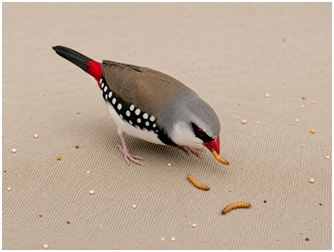 Diamond Firetail Finches
The Ultimate Guide to Feeding Mealworms to Diamond Firetail Finches
Diamond Firetails are affectionately known as the painted diamonds of the aviary world. Famous for their striking crimson rumps, bold black chest bands, and a dazzling flank pattern of snowy-white spots on pitch black, these Australian native grass-finches are highly sought-after showpieces in South Africa. To maintain their muscular builds, high-energy courtship dances, and breathtakingly vivid plumage, Diamond Firetails require an advanced, nutrient-dense diet. Incorporating premium, locally raised live mealworms into their routine provides the dense protein, essential lipids, and intense instinctual foraging enrichment they need to truly shine.
Why Diamond Firetail Finches Thrive on Premium Mealworms
While wild Diamond Firetails spend a large portion of their lives vacuuming up fallen grass seeds, they are highly active, opportunistic insect-hunters. In the wild, they actively scour the ground for small invertebrates—a behavioral and physical need that intensify dramatically during specific phases of their lives.
The Ultimate Solution for Fledgling Survival Rates: Diamond Firetail pairs are notoriously picky parents in captivity and will frequently abandon their nests or throw chicks out if they feel their diet lacks sufficient protein. The erratic, wiggling motion of live mealworms stimulates their parenting instincts, providing the exact bioavailable amino acids needed to prevent stunted growth and ensure chicks fledge successfully.
The Key to Breathtaking Show-Quality Color: The brilliant, fiery crimson on a Diamond Firetail’s beak, eye-ring, and rump requires a constant supply of premium proteins and carotenoids to remain vibrant. Feeding live mealworms during their annual autumn molt ensures they receive a direct hit of highly absorbable building blocks, preventing their deep reds from fading into a dull, washed-out orange.
Preventing Cage Boredom and Aggression: Diamond Firetails are surprisingly robust, dominant finches that can display territorial aggression toward smaller aviary mates when bored. Introducing live mealworms into a shallow foraging dish channels their high-strung, nervous energy into a healthy, focused hunting routine, keeping the peace within a mixed aviary.
Managing the Diet: Size and Frequency
Because Diamond Firetails have significantly larger, stouter, and more powerful beaks than smaller waxbills, they can easily handle slightly larger mealworm sizes, though moderation is still key to avoiding obesity.
| Flock Member / Phase | Ideal Mealworm Grade | Role & Frequency |
|---|---|---|
| Nesting Chicks (First 2 Weeks) | Strictly Mini Grades (Finely Chopped) | Crucial daily chick fuel fed via parents to maximize early bone growth. |
| Breeding & Chick-Rearing Pairs | Mini to Small Grades & White Molts | Supply a fresh dish daily; pairs will selectively hunt them to feed their young. |
| Non-Breeding Aviary Flocks | Strictly Mini Grades | Offer 2 to 3 worms per bird, 2 times a week as a premium rotational health treat. |
Step-by-Step: The Perfect Diamond Firetail Feeding Routine
Step 1: The 24-Hour Carotenoid and Vitamin Supercharge
Never feed empty insects to your prized show birds. 24 hours before feeding, place your live mini mealworms into a separate tray. Feed them nutrient-dense slices of carrots, sweet potatoes, or dark leafy greens like kale and spinach. The mealworms absorb these vitamins and natural plant pigments, transforming into a highly nutritious biological capsule that passes directly into your firetails, intensifying the natural, fiery coloration of their rumps and beaks.
2. The Soft-Shell Selection (Targeting White Molts)
While Diamond Firetails have a powerful bite for a finch, the tough, fibrous outer shell (chitin) of a fully mature brown mealworm can sometimes cause mild digestive strain in younger fledglings or breeding hens. Actively look through your stock for freshly molted mealworms that are completely white. These “white worms” are exceptionally tender, highly digestible, and safe for delicate digestive tracts.
3. Presenting the Meal Safely
Diamond Firetails are natural ground-dwellers that prefer to look down for their food, but they are also highly competitive and can easily hoard a single food bowl.
Website Tip: To avoid intense competition and ensure that even the most timid birds get a share, never drop mealworms into a deep dish. Instead, serve them in a wide, heavy, shallow ceramic dish placed on a clean flagstone or concrete feeding platform.
The Foraging Game: To give your birds an extra mental workout, scatter a few live mini mealworms onto a tray filled with clean, coarse river sand or dry meadow hay. This encourages their natural instinct to sift and scratch, providing a highly rewarding mental workout!
Finches
ZA Indigenous African Waxbills & Finches
Blue Waxbill (Common Cordon-bleu)
Swee Waxbill
Melba Finch (Green-winged Pytilia)
Orange-breasted Waxbill (Zebra or Golden-breasted Waxbill)
Red-billed Firefinch
African Firefinch
Jameson’s Firefinch
Cut-throat Finch
Red-headed Finch
St. Helena Waxbill
Black-rumped Waxbill (Red-eared Waxbill)
Lavender Waxbill
Peter’s Twinspot
Dybowski’s Twinspot
Cape Sparrow (Mossie)
(Parrot) Exotic Aviary Finches
Java Finch (Java Sparrow)
Diamond Firetail Finch
Gouldian Finch
Zebra Finch
Strawberry Finch (Red Avadavat)
Star Finch
Bengalese Finch (Society Finch)
Plum-headed Finch
Long-tailed Finch (Shaft-tail)
Masked Finch
Owl Finch (Bicheno Finch)
Painted Finch (Emblema)
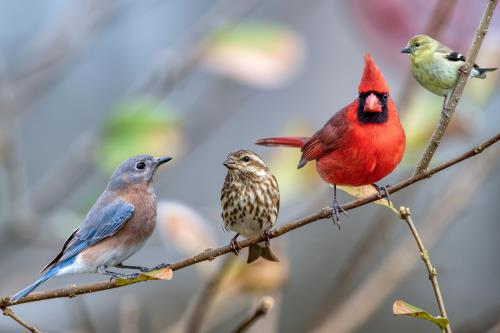 Good for Birds
Live mealworms are excellent for birds because they offer superior nutrition—high protein, fat, and moisture—crucial for muscle development, energy, and hydration, especially during nesting season. Unlike dried alternatives, live, moving larvae trigger hunting instincts, making them a preferred, highly palatable food source that attracts diverse insect-loving species like bluebirds, wrens, and robins.
Key Reasons Live Mealworms are Good for Birds:
Superior Hydration: Live mealworms contain essential moisture that dried mealworms lack, which is critical for the survival of nestlings and prevents dehydration in adult birds.
High Protein & Fat: They provide a dense source of protein (20%+) and fat (13%+ ) necessary for breeding, high-energy nesting activities, and winter survival.
Encourages Natural Behavior: Because they move, live mealworms appeal to the hunting instincts of birds and are easier for them to spot from a distance.
Boosts Nestling Success: The soft texture of live mealworms makes them easy for parent birds to feed to their young, significantly increasing nestling survival rates.
Attracts Diverse Species: Offering live mealworms can draw species that typically do not visit seed-only feeders, such as bluebirds, chickadees, titmice, and nuthatches.
Feeding Tips:
Containment: Use smooth-sided feeders (glass, plastic, or metal) to prevent the mealworms from crawling away.
Storage: Keep them in the refrigerator to keep them in a "suspended animation" state, preventing them from turning into beetles.
Packed with vitamins, fibre, and protein, our mealworms are the ultimate superfood for your clucking companions.
They promote vibrant feathers, sturdy beaks, and overall vitality and well-being!
Mealworms are excellent for birds because they provide a high-protein, high-fat, and fiber-rich food source crucial for energy, muscle development, and healthy feathers. They are particularly valuable during nesting season for feeding chicks and in winter when natural insects are scarce.
Key Reasons Mealworms Are Good for Birds:
High Nutritional Value: Live mealworms contain roughly 20% crude protein and 13% fat, while dried versions are even more concentrated (over 50% protein), offering essential nutrients for survival and growth.
Ideal for Nesting Season: The soft, protein-packed nature of mealworms makes them an excellent food source for parent birds to feed their hungry, fast-growing chicks.
Winter Survival Tool: Since insects are difficult for birds to find in winter, offering mealworms provides necessary energy to help them survive, particularly when natural food sources are frozen.
Boosts Insect-Eating Birds: They attract a wide variety of birds that do not eat seeds, such as bluebirds, catbirds, mockingbirds, and wrens, in addition to common feeder favorites like chickadees and nuthatches.
Hydration: When re-hydrated or served live, they provide necessary moisture to birds during dry summer months.
Important Tips for Feeding:
Use as Supplement: Mealworms are low in calcium and should only be used as a treat (roughly 100 per day), not as a sole diet, as too many can cause health issues.
Serving: Use a smooth-sided feeder to prevent them from crawling away.
Live vs. Dried: Live is generally preferred by birds, but dried is a convenient alternative.
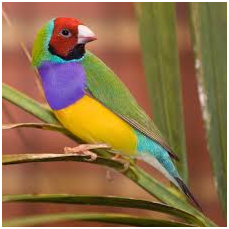 Gouldian Finches
The Ultimate Guide to Feeding Mealworms to Gouldian Finches
Gouldian Finches are globally famous for their spectacular, rainbow-like plumage, but maintaining their vibrant health requires targeted nutrition. While they are primarily seed-eaters in the wild, adding high-quality mealworms to their diet is a game-changer for South African aviculturists. This guide explores exactly when, why, and how to introduce mealworms to your Gouldian finches to achieve peak breeding condition and flawless molting seasons.
Why Do Seed-Eating Finches Need Mealworms?
In their native Australian habitats, wild Gouldian Finches shift from seeds to high-protein insects when the seasons change. In captivity, relying entirely on dry seeds can leave gaps in their nutritional requirements.
The Protein Boost: Mealworms provide a rich source of raw animal protein and essential amino acids that dry seed mixes simply cannot match.
Flawless Feather Development: The natural lipids and omega fatty acids found in mealworms feed the feather follicles. This helps Gouldians transition through their annual molt faster, resulting in deeper, glossier, and more intense coloration.
Breeding Success: Producing eggs takes an immense toll on a hen’s body. Mealworms provide the extra energy required for high-fertility clutches and reduce the risk of egg-binding.
Timing is Everything: When to Feed
Gouldian finches should not be fed insects constantly all year round; their diet should match their natural biological cycles.
| Season / Cycle | Role of Mealworms | Frequency |
|---|---|---|
| Breeding & Chick Rearing | Essential. Stimulates breeding condition and provides soft, digestible protein for growing chicks. | 2 to 3 mini mealworms per bird daily. |
| The Annual Molt | Highly Recommended. Accelerates feather regrowth and prevents “molt-stalling” due to protein deficiencies. | 2 to 3 times per week. |
| Resting Season | Minimal. Keeps the birds healthy but prevents them from getting too fatty or over-stimulated. | Offered as an occasional weekly treat. |
How to Feed Mealworms to Your Finches
Because Gouldian finches have small, delicate beaks, presenting mealworms correctly ensures they can consume them safely and easily.
1. Opt for Mini or Small Sizes
Standard mealworms can sometimes be too large or have a tough outer skin (exoskeleton) for a tiny finch. Always offer mini or small-grade mealworms. Many seasoned breeders note that Gouldian finches like to bite off the head and extract the highly nutritious inner contents.
2. The Freshness Advantage
While dried mealworms can be crushed and mixed into an egg-food or soft-food mix, live mealworms are vastly superior for finches. The natural movement of live mealworms triggers their foraging instincts, making them much more enticing to shy birds.
3. Use Escape-Proof Containers
Serve live mealworms in small, shallow ceramic or plastic dishes with completely smooth, vertical sides. This keeps the mealworms safely contained inside the feeding station so they cannot crawl away into the aviary substrate.
4. The “Monkey See, Monkey Do” Trick
If your Gouldians have never eaten live food before, they might be hesitant at first.
Tip: Try placing a few live mealworms into a dish alongside a pair of companion birds (like Bengalese or Zebra finches) who already know how to eat them. Gouldians are visual learners and will quickly copy their aviary neighbors!
 Java Finches
The Ultimate Guide to Feeding Mealworms to Java Finches (Java Sparrows)
Java Finches—also famously known as Java Sparrows—are affectionately known as the dapper gentlemen of the aviary world. Celebrated for their sleek, high-contrast plumage, signature pink beaks, and delightful, rhythmic song, these beautiful birds are among South Africa’s most cherished aviary residents. While they are traditionally classified as seed and grain eaters (frequently targeting rice crops in their native Indonesian wild), Java Finches are highly opportunistic omnivores. Incorporating premium, locally raised live mealworms into their routine provides the dense protein, essential lipids, and intense instinctual enrichment they need to maintain peak health.
Why Java Finches Thrive on Premium Mealworms
In their native habitats, Java Finches actively supplement their seed-based diet with tiny insects and larvae, particularly during times of physical stress or environmental shifts. Replicating this insect-rich dietary boost in captivity is vital for their physical conditioning and social vitality.
The Ultimate Breeding and Chick-Rearing Engine: Laying clutches of eggs and rearing a nest full of rapidly growing chicks places a monumental physical demand on parent finches. The concentrated animal proteins and healthy lipids found in live mealworms provide parent birds with the critical, easily digestible energy reserves required to maximize chick growth rates and ensure a high survival rate in the nest.
The Golden Ticket to Premium Show Molting: Once a year, Java Finches shed their old feathers and grow a completely new coat. Because feathers are made of roughly 85% keratin (a protein), an inadequate diet during this phase results in dull, patchy, or brittle feathers. Live mealworms deliver the essential, sulfur-containing amino acids needed to produce that trademark, velvet-smooth, show-quality plumage.
Vital Winter Energy Reserves: Java Finches can be sensitive to sudden cold snaps during the chilly South African winter months. The healthy, premium fats packed inside live mealworms provide a safe, calorie-dense internal fuel source that helps these tiny birds regulate their body temperatures and stay active when the weather drops.
Managing the Diet: Size and Frequency
Because Java Finches possess relatively small, thick, cone-shaped beaks designed primarily for de-shelling seeds, choosing the absolute smallest mealworm size is critical to prevent choking and ensure comfortable swallowing.
| Flock Member / Phase | Ideal Mealworm Grade | Role & Frequency |
|---|---|---|
| Java Chicks & Fledglings | Strictly Mini Grades (Chopped) | Offer a tiny pinch daily via parent birds to fuel rapid skeletal growth. |
| Laying & Breeding Pairs | Mini Grades & White Molts | Feed 3 to 4 worms per bird daily to stimulate optimal breeding hormones. |
| Non-Breeding Aviary Flocks | Strictly Mini Grades | Offer 2 to 3 worms per bird, 2 times a week as a premium rotational treat. |
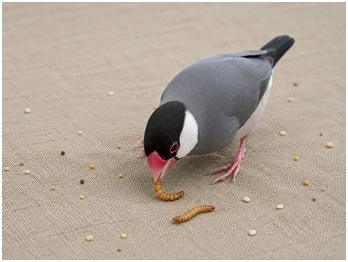
Side Note: Many birds instinctively process the prey themselves: they’ll bite, mash, or bash larger worms until they’re manageable.
Why This Happens.
Instinctive prey handling: Small birds often “beat” insects against perches to soften them or break them apart.
Selective feeding: They’ll consume the juicy, nutrientrich insides and discard the tougher exoskeleton if it’s too much effort.
Adaptability: Even delicate species can adapt their feeding technique to prey size, provided the worms aren’t dangerously oversized.
Step-by-Step: The Perfect Java Finch Feeding Routine
1. The 24-Hour Vitamin Supercharge
Never feed empty insects to your birds. 24 hours before feeding, place your live mini mealworms into a separate tray. Feed them nutrient-dense slices of sweet potatoes, carrots, or dark leafy greens like broccoli florets. The mealworms absorb these vitamins, transforming into a highly nutritious, organic vitamin capsule that passes directly into your finches’ tiny digestive systems.
2. The Golden Rule of Featherweight Moderation
Because Java Finches are so small, they can easily overindulge on tasty mealworms and ignore their daily balanced seed mixes or pelleted crumbles. Live mealworms are a luxury high-protein supplement; ensure they make up no more than 5% of your finches’ total weekly food intake to prevent them from becoming overly fatty, which can safely halt egg production and cause liver strain.
3. Presenting the Meal Safely
Java Finches are highly social, curious, and active flock birds that love to feed together, but dominant birds can easily bully more timid finches away from a food dish.
Website Tip: Never serve live mealworms in a deep bowl where they can easily crawl away or climb out into the aviary floor bedding. Instead, serve them in a shallow, completely smooth-sided ceramic or glass dish placed in the center of the aviary.
For Delicate Eaters: If your finches are initially intimidated by the movement, or if you are feeding smaller juveniles, look for freshly molted, completely soft white mealworms. Alternatively, use a clean blade to finely chop the mini mealworms before placing them in the dish to ensure zero choking hazards!
One of my Java Finches gobbling up worms to feed to her clutch of 5 chicks.
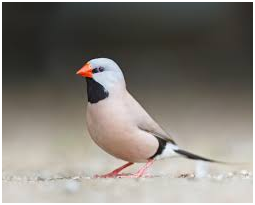 LongTailed Finches Shaft Tails
The Ultimate Guide to Feeding Mealworms to Long-tailed Finches (Shaft-tails)
Long-tailed Finches—famously known to aviculturists as Shaft-tails—are affectionately known as the elegant aristocrats of the grass-finch community. Celebrated for their striking, minimalist plumage, smooth pastel fawns, bold black bibs, and ink-black tail shafts, these Australian natives are highly prized aviary showpieces across South Africa. To fuel their lightning-fast aerial maneuvers, elaborate bowing courtship rituals, and constant vocal chatter, these birds require a high-energy, protein-dense diet. Incorporating premium, locally raised live mealworms into their routine provides the dense amino acids, essential lipids, and intense instinctual foraging enrichment they need to maintain peak condition.
Why Long-tailed Finches Thrive on Premium Mealworms
In their native, arid savanna and woodland habitats, Shaft-tails spend their days on the move, actively hunting down swarms of tiny flying termites, ants, and crawling insect larvae. Replicating this insect-rich dietary boost in captivity is vital for their physical vitality and reproductive success.
The Ultimate Cure for Chick-Tossing Syndrome: Long-tailed Finches are notoriously high-strung, nervous parents in captivity. If they feel their environment lacks sufficient protein to feed a family, they will panic and tragically toss their chicks or abandon the nest. The presence of wiggling live mealworms acts as an absolute hormonal trigger, giving the parents the confidence and resources needed to successfully rear their young.
Rapid Fledgling Growth Fuel: Grass-finch chicks have an exceptionally fast metabolism and grow from tiny, blind hatchlings into fully feathered fledglings in less than three weeks. The concentrated, easily digestible animal proteins in live mealworms provide the essential muscle-building blocks needed to prevent stunting and build robust immune systems.
The Key to a Flawless, Velvet Show Coat: The smooth, velvety texture of a Shaft-tail’s silver-grey head and sleek body requires a constant supply of premium proteins during the annual molt. Because feathers are made of roughly 85% keratin, feeding live mealworms delivers a direct hit of sulfur-containing amino acids, resulting in a rich, tight, and high-gloss sheen.
Managing the Diet: Size and Frequency
Because Shaft-tails possess relatively thick, cone-shaped pink or yellow beaks designed for de-shelling seeds, choosing the absolute smallest mealworm grade is critical to ensure safe handling and zero choking hazards.
| Flock Member / Phase | Ideal Mealworm Grade | Role & Frequency |
|---|---|---|
| Nesting Chicks (First 14 Days) | Strictly Mini Grades (Finely Chopped) | Vital daily chick fuel. Finely chop to ensure the tiny babies can swallow it easily. |
| Breeding & Chick-Rearing Pairs | Mini Grades & Soft White Molts | Supply a fresh, shallow dish daily; parents will selectively hunt them to feed their young. |
| Non-Breeding Aviary Flocks | Strictly Mini Grades | Offer 2 to 3 worms per bird, 2 times a week as a premium rotational health treat. |
Step-by-Step: The Perfect Long-tailed Finch Feeding Routine
Step 1: The 24-Hour Nutritional Supercharge (Gut-Loading)
Never feed empty insects to your prized show birds. 24 hours before feeding, place your live mini mealworms into a separate tray. Feed them nutrient-dense slices of sweet potatoes, carrots, or dark leafy greens like broccoli florets. The mealworms absorb these vitamins and pigments, transforming into a highly nutritious biological capsule that passes directly into your finches, supporting their immune systems and beak color vibrancy.
2. The Golden Rule of the Soft-Shell Selection (White Molts)
Because these finches have beaks adapted for seeds rather than tearing flesh, the crunchy outer shell (chitin) of a regular brown mealworm can sometimes be too tough for them to crush or safely digest. Actively look through your stock for freshly molted mealworms that are completely white. These “white worms” are exceptionally soft, tender, and easily managed by delicate finch beaks.
3. Presenting the Meal Safely
Long-tailed Finches are highly social, energetic flock birds that love to feed together, but dominant birds can easily bully more timid finches away from a single food dish.
Website Tip: Never serve live mealworms in a deep bowl where they can easily crawl away into the aviary floor bedding. Instead, serve them in a wide, heavy, shallow ceramic dish.
The Foraging Game: Shaft-tails are heavily hardwired to forage on the ground. To give your birds an extra mental workout, scatter a few live mini mealworms onto a tray filled with clean, coarse river sand or dry meadow hay. This encourages their natural instinct to sift and scratch, providing an interactive, rewarding mental workout!
Side Note: Many birds instinctively process the prey themselves: they’ll bite, mash, or bash larger worms until they’re manageable.
Why This Happens.
Instinctive prey handling: Small birds often “beat” insects against perches to soften them or break them apart.
Selective feeding: They’ll consume the juicy, nutrientrich insides and discard the tougher exoskeleton if it’s too much effort.
Adaptability: Even delicate species can adapt their feeding technique to prey size, provided the worms aren’t dangerously oversized.
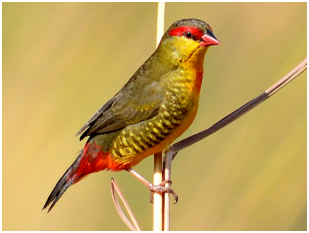 Orange Breasted Waxbills
The Ultimate Guide to Feeding Mealworms to Orange-breasted Waxbills
The Orange-breasted Waxbill is one of the smallest, most breathtakingly vibrant finches in the world. With their fiery orange bellies, bright red rumps, and delicate tiger-striping along their flanks, they are the absolute jewels of any aviary. Because these tiny African natives are incredibly active and possess a lightning-fast metabolism, they burn through energy at an astonishing rate. Incorporating premium live mealworms into their diet is the ultimate secret to maintaining their fiery coloration, keeping them warm through winter, and triggering successful breeding seasons.
Why Tiny Orange-breasted Waxbills Need Mealworms
In their natural wild habitats across sub-Saharan Africa, Orange-breasted Waxbills are highly insectivorous. They spend hours hovering around tall grasses to catch tiny, live insects.
The Fire-Color Catalyst: The male’s dazzling orange and red plumage relies heavily on high-quality cellular nutrition. A pure seed diet can cause their brilliant sunset hues to fade over time. The rich amino acids and lipids in mealworms supercharge their system, ensuring they molt into their richest, most radiant colors.
Essential Metabolic Fuel: Due to their microscopic body mass, these birds can lose condition overnight if they lack dense energy. Mealworms provide the perfect balance of easily digestible animal protein and healthy fats to keep their internal furnaces burning strongly.
Preventing Nest Abandonment: Orange-breasted Waxbills are exceptionally tiny parents raising even tinier chicks. If they feel live food is scarce in the aviary, they will rapidly abandon their clutches. A reliable, daily supply of live mealworms gives them the confidence to stay on the nest and successfully fledging their young.
When to Feed: Tuning into Their Biological Clock
Because Orange-breasted Waxbills are so small, a little live food goes a long way. Regulating their intake ensures they stay in peak breeding condition without getting overly hyperactive.
| Season / Cycle | Role of Mealworms | Frequency |
|---|---|---|
| Breeding & Chick Rearing | Mandatory. Chicks require soft, live animal protein to survive their first week of life. | Fresh supply offered 2 to 3 times daily. |
| The Annual Molt | Highly Recommended. Provides the necessary building blocks for fast, seamless feather regrowth. | 3 times per week. |
| Cape Town Winters | Survival Shield. Helps these tiny, heat-loving birds survive cold, damp Western Cape nights. | 1 to 2 times per week. |
Best Practices for Feeding Orange-breasted Waxbills
Due to their diminutive size and incredibly delicate beaks, presenting mealworms correctly is absolutely vital for this species.
1. Strictly Stick to “Mini” or “Micro” Grades
Standard mealworms are far too large and tough for an Orange-breasted Waxbill. Always offer mini-grade mealworms. Their softer, thinner outer skins make them perfectly manageable for these tiny birds to crush, swallow, and feed to their nestlings.
2. Harvest the White, Freshly Molted Worms
When your waxbills have newly hatched chicks in the nest, sort through your live culture to find the white, freshly molted mealworms. Because they have temporarily shed their hard outer skin, they are incredibly soft, juicy, and represent the absolute ultimate “baby food” for microscopic finch chicks.
3. Elevated, Escape-Proof Feeding Dishes
Orange-breasted Waxbills love to forage among low bushes and grasses but can be timid on the open aviary floor. Place your smooth-sided, escape-proof mealworm dish on an elevated shelf near some leafy branches or hanging silk plants. This allows them to feed in a space where they feel entirely safe from predators.
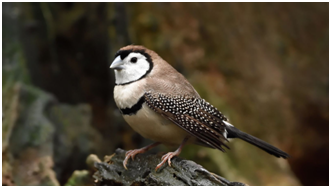 Owl Finches
The Ultimate Guide to Feeding Mealworms to Owl Finches (Bicheno Finches)
With their distinct black-and-white facial discs and tiny, compact bodies, Owl Finches look like miniature owls bouncing around the aviary. They are an absolute treasure to keep, but their delicate size means they have highly specific nutritional needs. While these tiny Australian natives love their grass seeds, incorporating premium mealworms into their diet is the ultimate secret to unlocking peak breeding health and vibrant, crisp plumage.
Why Tiny Owl Finches Big-Time Benefit from Mealworms
Owl Finches are among the smallest of the commonly kept aviary finches. Because of their high metabolism, they burn through energy incredibly quickly, especially during temperature shifts or breeding cycles.
High-Metabolism Fuel: Mealworms provide a dense, easily digestible source of protein and healthy fats. This gives Owl Finches the rapid energy boosts they need to stay active, warm, and resilient.
Crisp, Contrast-Rich Plumage: The striking “owl-face” look and intricate white chest bars require precise nutrients to develop correctly. The natural amino acids in mealworms ensure their feathers grow back sharp, bold, and perfectly defined after every molt.
Incentive for Shy Breeders: Owl Finches can be somewhat timid and easily stressed when breeding. Introducing live food creates a sense of seasonal abundance, which reduces nesting anxiety and encourages them to settle down and lay fertile clutches.
When to Feed: Matching Their Natural Cycles
Because Owl Finches are small, a little goes a long way. Their protein intake should be carefully regulated based on their current life stage.
| Season / Cycle | Role of Mealworms | Frequency |
|---|---|---|
| Breeding & Raising Joeys | Essential. Tiny chicks need soft animal protein to develop strong skeletons and muscles rapidly. | Fresh supply offered 1 to 2 times daily. |
| The Annual Molt | Highly Recommended. Prevents prolonged, stressful molts by speeding up feather regeneration. | 2 to 3 times per week. |
| Resting Season | Immune Support. Keeps their baseline strength up without causing them to become overweight. | A small weekly treat. |
Best Practices for Feeding Owl Finches
Due to their diminutive size and delicate beaks, presenting mealworms correctly is crucial to ensuring your Owl Finches can enjoy them safely.
1. Strictly Stick to “Mini” Grades
Standard mealworms are simply too large and tough for an Owl Finch’s tiny beak. Always provide mini-grade mealworms. Their softer exoskeletons are much easier for these little birds to crush, digest, and feed to their babies.
2. Leverage Freshly Molted White Worms
When Owl Finches have newly hatched chicks in the nest, scan your live culture for freshly molted, white mealworms. Because they have temporarily shed their hard outer skin, they are incredibly soft and juicy—making them the perfect, easily digestible premium baby food for tiny nestlings.
3. Elevated, Safe Feeding Stations
Unlike some finches that love the ground, Owl Finches often prefer feeding slightly higher up where they feel safe from predators. Place your smooth-sided, escape-proof mealworm dish on an elevated platform or secure hanging shelf to match their preferred comfort zone.
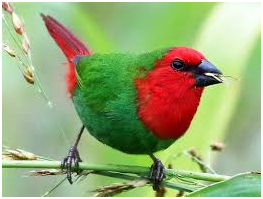 Parrot Finches
The Ultimate Guide to Feeding Mealworms to Parrot Finches
Parrot Finches are the acrobats of the aviary world. Famous for their intense, electric greens, vivid reds, and brilliant blues, these hyper-active Pacific natives bring incredible energy to any collection. Because Parrot Finches are naturally fast, high-strung, and extremely playful, their metabolisms run exceptionally hot. Incorporating premium mealworms into their diet is the single best way to fuel their athletic lifestyles and stimulate successful breeding cycles.
Why Hyperactive Parrot Finches Need Mealworms
Unlike more sedate finch species, Parrot Finches are constantly on the move—foraging, chasing, and exploring. A standard dry seed diet simply cannot supply the sustained energy they require.
High-Octane Metabolic Fuel: Mealworms provide a dense combination of premium animal proteins and high-quality lipids (fats). This keeps their energy tanks full and prevents them from burning through their own muscle mass during high-activity periods.
Flawless, Glossy Plumage: The brilliant, reflective green and blue feathers of a Parrot Finch require heavy deposits of structural proteins during a molt. The rich amino acids in mealworms prevent patchy, dull feather growth, ensuring their colors stay showroom-bright.
Overcoming Breeding Reluctance: While Parrot Finches are enthusiastic breeders, they can be highly impatient parents. If they feel the food supply lacks rich protein, they may toss chicks from the nest. An abundance of live mealworms reassures the parents, dramatically reducing chick throwing and ensuring excellent nestling survival rates.
When to Feed: Managing the Energy Boost
Parrot Finches love to eat and can easily become overweight if given high-fat foods constantly without enough flight space. Regulating their mealworm intake ensures peak health.
| Season / Cycle | Role of Mealworms | Frequency |
|---|---|---|
| Breeding & Chick Rearing | Crucial. Parents need a steady supply of protein to feed fast-growing chicks and maintain their own stamina. | Fresh supply offered 2 to 3 times daily. |
| The Annual Molt | Highly Recommended. Supplies the building blocks needed to grow intense, neon-coloured plumage rapidly. | 3 times per week. |
| Resting Season (Large Flights) | Conditioning. Provides excellent mental stimulation and a healthy nutritional boost. | 1 to 2 times per week as a treat. |
Best Practices for Feeding Parrot Finches
Parrot Finches are bold, intelligent, and highly curious birds that love to manipulate their food.
1. Opt for Small or Medium Grades
Because Parrot Finches are robust and have stronger, thicker beaks than delicate waxbills, they can comfortably handle small to medium-grade mealworms. They thoroughly enjoy the crunch and will actively hunt them down.
2. The Foraging Box Trick (Mental Enrichment)
Parrot Finches are highly intelligent and easily bored. Instead of just using a standard dish, try placing live mealworms into a shallow wooden tray filled with dried leaves, coconut fiber, or safe aviary moss. Your Parrot Finches will spend hours joyfully flipping leaves and digging around to hunt the wiggling mealworms, providing fantastic mental exercise.
3. Gut-Loading for Maximum Nutritional Value
To get the absolute most out of your live food, “gut-load” your mealworms by feeding them premium bird pellets, spirulina, or fresh carrots 24 hours before offering them to your finches. This turns the mealworms into a highly nutritious vessel, delivering vital vitamins directly to your birds.
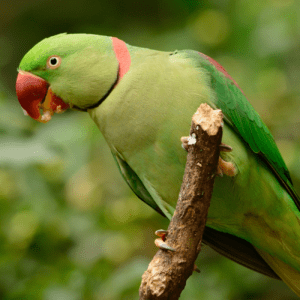 Parrots
The Ultimate Guide to Feeding Mealworms to Parrots
Parrots are affectionately known as the feathered geniuses of the pet world. Famous for their vibrant plumage, intense curiosity, problem-solving skills, and incredible capacity for mimicry, these intelligent birds are South Africa’s most treasured avian companions. From small lovebirds and cockatiels to magnificent African greys and macaws, parrots require a highly varied diet to thrive. Incorporating premium, locally raised live mealworms into their routine provides the dense protein, essential lipids, and intense mental enrichment they need to prevent boredom and maintain peak health. [1, 2, 3, 4, 5]
Why Parrots Thrive on Premium Mealworms
While many people associate parrots solely with seeds and nuts, wild parrots are actually opportunistic omnivores. In the wild, they actively forage in the canopy, peeling back bark and cracking open seed pods to hunt for succulent grubs, larvae, and insects. [1, 2, 3, 4, 5]
The Ultimate Cure for Feather-Plucking and Cage Boredom: Parrots possess the cognitive intelligence of a young child and are highly prone to severe boredom. This frustration frequently manifests as destructive behaviors like feather-plucking, screaming, or stereotypical pacing. The frantic, erratic wiggling of a live mealworm forces a parrot to focus, puzzle out how to capture it, and use its feet and beak dynamically—providing invaluable cognitive exercise. [1, 2, 3, 4, 5]
Essential Protein for Molting and Breeding Stamina: Regenerating a full coat of feathers during a molt drains a massive amount of cellular energy. Feathers are made of roughly 85% keratin protein. Live mealworms deliver a clean, highly bioavailable hit of essential amino acids that accelerates healthy feather growth, resulting in a rich, high-gloss sheen. They are equally vital for conditioning breeding pairs and fueling the rapid growth of growing chicks.
The Ultimate Bond-Building Tool: Because parrots are highly food-motivated social animals, the irresistible taste of a juicy mealworm makes it the absolute highest-value training reward. Hand-feeding wiggling mealworms is one of the fastest, most effective ways to tame a shy bird, teach complex tricks, and build an unbreakable bond of trust with your pet. [1]
Managing the Diet: Size and Frequency
Because the parrot family ranges from tiny, delicate species to massive, powerful birds, matching the correct mealworm grade to your bird’s beak size is critical for safe handling. [1]
Step-by-Step: The Perfect Parrot Feeding Routine
Step 1: The 24-Hour Nutritional Supercharge
Never feed empty insects to your birds. 24 hours before feeding, place your live mealworms into a separate tray. Feed them nutrient-dense slices of sweet potatoes, broccoli florets, or apples. The mealworms absorb these vitamins, transforming into a highly nutritious, organic vitamin capsule that passes directly into your parrot’s digestive system. [1, 2]
2. The Golden Rule of Dietary Balance
Because mealworms are naturally rich in lipids and fats, they must be treated strictly as a luxury supplement or training reward—never a daily base diet. Overfeeding mealworms can cause parrots to become overweight, which puts dangerous strain on their liver and joints. Ensure mealworms make up no more than 5% of their weekly food intake. [1]
3. Presenting the Meal Safely
Parrots love to work for their food, and serving insects should always be turned into a game. [1]
Website Tip: Do not just drop mealworms into their standard food bowl. Instead, place live mealworms inside a clear foraging toy, wrap them inside a piece of clean brown paper for them to shred open, or offer them directly from your fingers during a trick-training session.
For Timid Birds: If your parrot is initially afraid of the wiggling movement, offer freshly molted, completely soft white mealworms first, or gently crush the mealworm’s head with your tongs before placing it on a flat perch for them to investigate safely!
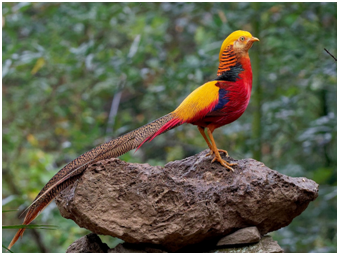 Pheasants
The Ultimate Guide to Feeding Mealworms to Pheasants
Pheasants are affectionately known as the living art pieces of the aviary world. Famous for their breathtaking, multi-coloured plumage, long regal tail feathers, and shy, elegant nature, these exotic game birds are highly prized across South Africa. Because pheasants possess an incredibly high metabolic rate and are easily stressed, their demands for specific, premium nutrition are absolute. Incorporating premium, locally raised live mealworms into their routine provides the dense protein, essential lipids, and intense instinctual foraging enrichment they need to maintain their vibrant beauty and active minds.
Why Pheasants Thrive on Premium Mealworms
As wild, woodland-dwelling birds, pheasants spend their lives under heavy forest canopies and brush, scratching at fallen leaves and soil to uncover seeds, berries, and a massive variety of crawling insects and larvae. Replicating this insect-heavy diet is crucial for their physical health and feather perfection.
The Ultimate High-Protein Chick Engine: Pheasant chicks (poults) are exceptionally delicate and require a highly specific starter diet containing up to 28% protein to grow successfully. A deficiency in high-quality animal proteins can cause life-threatening issues like weak bones, poor feather tracking, or stunted growth. The bioavailable amino acids in premium mealworms fuel this rapid early development perfectly.
A Natural Weapon Against Feather-Plucking: Pheasants are notoriously high-strung, nervous birds. In captivity, boredom or minor stress can quickly escalate into severe flock aggression, resulting in tail-pecking, feather-plucking, and bullying. Scattering live mealworms into their aviary instantly channels this anxious energy into a healthy, natural hunting frenzy, keeping the peace within the covey.
The Key to Prize-Winning Plumage: The dazzling, iridescent reds, golds, and blues of ornamental pheasant species (like Golden, Amherst, or Ringneck pheasants) take a massive amount of protein to produce. Feeding live mealworms during the autumn molt delivers the vital sulfur-containing amino acids needed to grow strong, glossy, and perfectly formed show-quality feathers.
Managing the Diet: Size and Frequency
Because pheasants range in size from smaller ornamental species to large, robust game birds, matching the mealworm grade to their life stage ensures safe swallowing and highly efficient digestion.
| Flock Member / Phase | Ideal Mealworm Grade | Role & Frequency |
|---|---|---|
| Pheasant Poults (Under 4 Weeks) | Strictly Mini Grades | Offer a tiny pinch daily to stimulate early muscle development and growth. |
| Growing Juveniles & Layers | Small to Medium Grades | Scatter a handful daily to support smooth feathering and egg-laying stamina. |
| Mature Ornamental & Show Birds | Medium to Large Grades | Feed 3 to 4 times a week as a premium conditioning treat for high-gloss plumage. |
Step-by-Step: The Perfect Pheasant Feeding Routine
Step 1: The 24-Hour Color and Vitamin Supercharge
Never feed empty insects to your birds. 24 hours before feeding, place your live mealworms into a separate tray. Feed them nutrient-dense slices of carrots, sweet potatoes, or dark leafy greens like kale and spinach. The mealworms absorb these carotenoids and vitamins, transforming into a highly nutritious biological capsule that passes directly into your pheasants, intensifying the natural, fiery coloration of their magnificent plumage.
2. The Golden Rule of Gamebird Moderation
While pheasants will enthusiastically hunt down every mealworm in sight, they should always be treated as a premium supplement rather than a base feed. Live mealworms are a luxury high-protein treat; ensure they make up no more than 10% of your flock’s total daily diet to maintain a perfectly balanced nutritional profile and prevent them from becoming overly fatty.
3. Presenting the Meal Safely
Pheasants are incredibly fast, alert, and easily startled ground-feeders. If you place mealworms in a single bowl, dominant birds will hoard the food, and subordinate birds will miss out.
Website Tip: To avoid bullying and turn feeding time into a valuable workout, scatter the live mealworms widely across a clean patch of grass, loose orchard mulch, or dry aviary leaf litter. This forces the birds to spread out, scratch, and work for their food, ensuring that even the most timid pheasants enjoy the rewarding hunt!
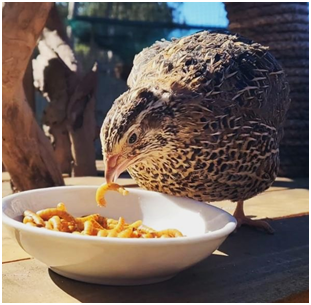 Quail
The Ultimate Guide to Feeding Mealworms to Quail
Quail are affectionately known as the pocket rockets of the poultry world. Famous for their explosive bursts of speed, charmingly plump shapes, and delightful cricket-like chirping, these tiny game birds are South Africa’s favourite space-saving backyard livestock. Because quail possess an incredibly fast metabolism and a lightning-quick growth cycle, their demands for high-quality nutrition are intense. Incorporating premium, locally raised live mealworms into their routine provides the dense protein, vital lipids, and essential foraging stimulation they need to stay healthy, active, and productive.
Why Quail Thrive on Premium Mealworms
As wild, ground-dwelling foragers, wild quail spend their entire lives hidden in thick brush, frantically scratching the soil for tiny seeds, tender shoots, and high-protein insects. Replicating this insect-rich diet in captivity is vital for their physical performance and psychological health.
The Ultimate High-Protein Egg Engine: Coturnix quail reach full maturity and start laying eggs at just 6 weeks of age—an astonishing biological feat that requires a massive, continuous supply of protein. Feeding live mealworms satisfies this extreme demand, resulting in beautifully patterned, nutrient-dense gourmet eggs with rich, creamy yolks.
Rapid Growth and Muscle Building: Because quail grow from tiny, bumblebee-sized chicks into fully mature adults in less than two months, any protein deficiency can easily cause stunted growth, weak legs, or poor feathering. The concentrated amino acids in premium mealworms fuel these rapid growth spurts with unmatched efficiency.
The Ultimate Solution for Feather-Pecking: Quail are highly sensitive to overcrowding and boredom, which often manifests as aggressive feather-pecking or bullying within the covey. Scattering live mealworms into their enclosure instantly creates a high-energy foraging distraction, safely directing their pecking instincts away from each other and into the ground.
Managing the Diet: Size and Frequency
Because quail are significantly smaller than chickens and have tiny, delicate beaks, selecting the correct mealworm grade is essential to prevent choking and ensure comfortable swallowing.
| Flock Member / Phase | Ideal Mealworm Grade | Role & Frequency |
|---|---|---|
| Quail Chicks (Under 3 Weeks) | Strictly Mini Grades | Offer a tiny pinch daily as a crucial, high-protein starter supplement. |
| Juvenile & Laying Quail | Small to Medium Grades | Scatter a small handful daily to fuel egg production and feather health. |
| Mature Breeding Coveys | Medium Grades & White Molts | Feed 3 to 4 times a week as a premium conditioning and fertility fuel. |
Step-by-Step: The Perfect Quail Feeding Routine
Step 1: The 24-Hour Nutritional Supercharge
Never feed empty insects to your birds. 24 hours before feeding, place your live mealworms into a separate tray. Feed them nutrient-dense slices of carrots, sweet potatoes, or dark leafy greens. The mealworms absorb these vitamins and pigments, transforming into a highly nutritious biological capsule that passes directly into your quail, resulting in healthier birds and rich, vibrant egg yolks.
2. The Golden Rule of Moderation
Because quail are small, they can easily fill up on mealworms and neglect their balanced commercial gamebird crumbs. Live mealworms are a luxury high-protein treat; ensure they make up no more than 10% of your quail’s total daily diet to prevent them from becoming overly fatty, which can halt egg production.
3. Presenting the Meal Safely
Quail are frantic, competitive, and easily startled ground-feeders that will eagerly rush toward a treat.
Website Tip: To ensure that timid or lower-ranking quail do not get left out, do not place mealworms in a single bowl. Instead, scatter the live mealworms widely across their bedding, wood shavings, or sand bath area. This triggers their natural instinct to scratch and peck, ensuring the entire covey gets a fair share of the prize while enjoying a healthy mental workout!
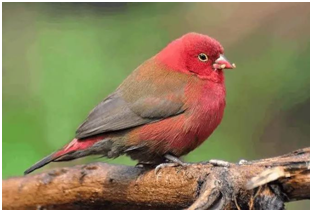 RedBilled FireFinch
The Ultimate Guide to Feeding Mealworms to Red-billed Firefinches
The Red-billed Firefinch is an absolute masterpiece of nature. Watching a male flash his brilliant, rose-crimson plumage and bright pink beak across the aviary is one of the most delightful sights a bird keeper can experience. Native to the warm savannas and brushlands of sub-Saharan Africa, these tiny, gentle waxbills are highly social and incredibly active. While they are enthusiastic seed-eaters, they are deeply insectivorous by nature. Incorporating premium live mealworms into their diet is the absolute key to keeping their fiery colors glowing, supporting their intense metabolism, and unlocking consistent breeding success.
Why Tiny Red-billed Firefinches Need Mealworms
Red-billed Firefinches are exceptionally small birds with lightning-fast metabolisms. Because they burn through energy at a rapid pace, a basic dry seed diet often leaves gaps in their nutritional requirements.
The Crimson Color Catalyst: The male’s stunning rose-red plumage relies entirely on deep cellular health and premium nutrients. Without adequate live protein and healthy fats, their brilliant coloration can fade into a dull, washed-out pink after a molt. The rich amino acids in mealworms supercharge feather follicles, ensuring their colors stay deep and vibrant.
Essential Metabolic Fuel: Due to their microscopic body mass, Fire finches are highly vulnerable to dropping in physical condition during sudden temperature changes. Mealworms provide a highly concentrated source of easily digestible animal protein and lipids (fats) to keep their internal furnaces burning strongly.
Beating Nest Desertion: Red-billed Fire finches are notoriously sensitive parents. In the wild, they breed exclusively when insects are abundant. In captivity, if they feel live food is scarce, they will quickly abandon their eggs or chicks. A steady, reliable supply of live mealworms gives them the peace of mind they need to successfully fledge their young.
When to Feed: Syncing with Their Breeding Clocks
Because Fire finches are so small, a little live food goes a long way. Regulating their intake ensures peak health without causing them to become overly hyperactive.
| Season / Cycle | Role of Mealworms | Frequency |
|---|---|---|
| Breeding & Chick Rearing | Mandatory. Chicks require soft, easily digestible live animal protein to survive their critical first week of life. | Fresh supply offered 2 to 3 times daily. |
| The Annual Molt | Highly Recommended. Provides the necessary protein building blocks for fast, stress-free feather regrowth. | 3 times per week. |
| Cape Town Winters | Survival Shield. Helps these tiny, heat-loving African natives survive cold, damp Western Cape nights. | 1 to 2 times per week. |
Best Practices for Feeding Red-billed Fire finches
Due to their diminutive size and delicate beaks, presenting mealworms correctly is absolutely vital for their safety and enjoyment.
1. Strictly Stick to “Mini” Grades
Standard-sized mealworms are far too large and tough for a Fire finch’s tiny beak. Always offer mini-grade mealworms. Their thinner, softer outer skins make them perfectly manageable for these tiny birds to crush, swallow, and safely feed to their nestlings.
2. Treasure the White, Freshly Molted Worms
When your Fire finches have newly hatched chicks in the nest, scan your live culture for white, freshly molted mealworms that have just shed their skins. These are incredibly soft and juicy, making them the absolute ultimate “baby food” for microscopic finch chicks.
3. Low-Level, Protected Foraging
In nature, Fire finches love to hop along the ground in search of tiny seeds and fallen insects, usually sticking close to the safety of thick bushes. Place your smooth-sided, escape-proof mealworm dish on the aviary floor or on a low platform near some leafy branches or hanging silk plants. This allows them to forage naturally while feeling completely safe and secure.
Side Note: Many birds instinctively process the prey themselves: they’ll bite, mash, or bash larger worms until they’re manageable.
Why This Happens.
Instinctive prey handling: Small birds often “beat” insects against perches to soften them or break them apart.
Selective feeding: They’ll consume the juicy, nutrientrich insides and discard the tougher exoskeleton if it’s too much effort.
Adaptability: Even delicate species can adapt their feeding technique to prey size, provided the worms aren’t dangerously oversized.
 RedHeaded Finches
The Ultimate Guide to Feeding Mealworms to Red-headed Finches
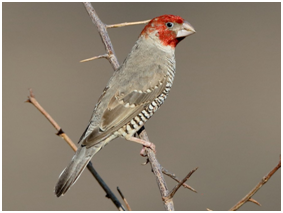
The Red-headed Finch is a true icon of southern Africa. Robust, energetic, and highly social, these striking birds are a magnificent addition to any aviary. While they are primarily ground-feeding seed-eaters in the arid savannas they naturally inhabit, local South African breeders know that unlocking their full potential requires a distinct dietary approach. Incorporating premium live mealworms into their routine is the ultimate secret to maintaining their impressive stamina, deepening their rich coloration, and stimulating highly successful breeding seasons.
Why Robust Red-headed Finches Need Mealworms
Red-headed Finches are larger, chunkier, and far more active than delicate waxbills. Because of their robust build and high-energy social lives, their metabolisms require heavy nutritional support.
Sustained Physical Stamina: Mealworms provide an exceptional balance of raw animal protein and dense, healthy lipids (fats). This keeps their energy tanks full and ensures they maintain an optimal body condition, preventing them from going thin during stressful periods.
Deepening the Vivid Red Head: The male’s signature blazing-red head and the intricate, scale-like patterns on his chest require heavy deposits of high-quality amino acids during a molt. Feeding mealworms ensures their new feathers grow back rich, deep, and vividly defined.
Fueling the Foster Routine: Red-headed Finches are notorious for utilizing the discarded nests of other birds (like weavers or sparrows) rather than building their own. Because they expend immense energy defending these territories, an abundance of live mealworms provides the nesting security they need to confidently lay and hatch large clutches.
When to Feed: Matching Their Natural Seasons
Red-headed Finches are opportunistic breeders that respond rapidly to resource abundance. Regulating their live food intake helps you guide their natural cycles.
| Season / Cycle | Role of Mealworms | Frequency |
|---|---|---|
| Breeding & Chick Rearing | Crucial. Parents require a steady, daily supply of live insects to feed their fast-growing, heavy nestlings. | Fresh supply offered 2 times daily. |
| The Annual Molt | Highly Recommended. Supplies the vital building blocks to grow intense, flawless plumage quickly. | 3 times per week. |
| Cape Town Winters | Thermal Protection. The rich fats help these native birds maintain core body heat during cold, wet winters. | 1 to 2 times per week. |
Best Practices for Feeding Red-headed Finches
Because Red-headed Finches possess strong, powerful, seed-crushing beaks, they handle live food with absolute confidence.
1. Opt for Small to Medium Grades
Unlike tiny waxbills, Red-headed Finches can comfortably handle small to medium-grade mealworms. They thoroughly enjoy the crunch and will enthusiastically harvest them from the feeding station without any hesitation.
2. Embrace the “Ground Foraging” Instinct
In the wild, these finches spend almost all of their time foraging on the ground. Place your smooth-sided, escape-proof mealworm dish on the aviary floor or inside a shallow tray filled with dry leaves or coarse river sand. This creates an exceptional enrichment activity, allowing them to dig and “hunt” naturally.
3. The Perfect Egg-Food Booster
If you feed a commercial egg-food or soft-food mash, you can chop up a handful of live mealworms and mix them directly into the feed. The moisture from the mealworms binds the mash together beautifully, creating an ultra-premium, high-protein “power food” that parent birds will instantly gorge on to feed their chicks.
 Star Finches
The Ultimate Guide to Feeding Mealworms to Star Finches
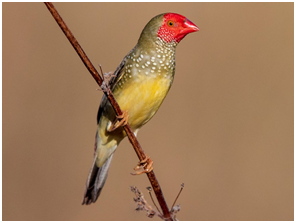
With their striking crimson faces and delicate white-spotted plumage, Star Finches are an absolute joy to keep. However, successfully breeding and maintaining these peaceful Australian natives requires a distinct nutritional approach. While they are widely known as quiet seed-eaters, incorporating premium mealworms into their diet is the secret weapon used by top aviculturists to unlock radiant health and robust breeding success.
The Secret Value of Mealworms for Star Finches
In the wild, Star Finches inhabit lush grasslands and swamps. During the wet season, their diet shifts drastically away from dry grass seeds toward a massive abundance of live insects.
Replicating Nature: Providing mealworms mimics this seasonal surge in nutrition, sending a biological signal to your birds that it is safe and time to breed.
Flawless Spangled Plumage: The “stars” or white spots on their chest and flanks require precise cellular nutrition to develop sharply after a molt. The natural amino acids in mealworms ensure healthy, strong feather structure.
An End to Chick Desertion: Star Finches are notoriously sensitive parents. If they feel there is a shortage of live protein in the aviary, they may abandon their nests. Abundant mealworms provide the peace of mind they need to stay on the nest.
Timing the Diet: When to Feed
Like most Australian finches, Star Finches thrive on a cyclical diet that mirrors the natural seasons.
| Season / Cycle | Role of Mealworms | Frequency |
|---|---|---|
| Breeding & Chick Rearing | Crucial. Parents require a constant supply of high-grade protein to feed their rapidly growing chicks. | Offer a fresh supply 2 to 3 times a day. |
| The Annual Molt | Highly Beneficial. Supplies the necessary building blocks for fast, stress-free feather regeneration. | 3 times per week. |
| Resting Season | Maintenance. Keeps their immune systems strong without causing them to become overweight. | A small weekly treat. |
Best Practices for Feeding Star Finches
Star Finches are gentle, non-aggressive birds with small beaks. Presenting their food correctly ensures they get the maximum benefit without stress.
1. Fresh, Live, and Small is Best
Star Finches have a strong preference for live prey that moves, as it triggers their natural foraging instincts. Always opt for mini or small-grade mealworms. Their softer exoskeletons make them much easier for the delicate beaks of Star Finches to crush and digest.
2. The Nestling Trick: Freshly Molted Mealworms
When Star Finches have tiny chicks in the nest, look through your mealworm container for the white, freshly molted mealworms that have just shed their skins. These are incredibly soft, packed with moisture, and are the absolute ultimate “baby food” for newborn finch chicks.
3. Secure Feeding Stations
Star Finches spend a lot of time feeding on or near the ground. Place live mealworms in a heavy, shallow, smooth-sided ceramic dish on the aviary floor. This accommodates their natural ground-foraging behavior while preventing the mealworms from escaping into the floor substrate.
 Strawberry Finches
The Ultimate Guide to Feeding Mealworms to Strawberry Finches (Red Avadavats)
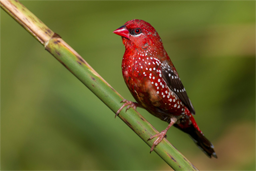
Strawberry Finches are the absolute jewels of the aviary world. Watching a male transform into his brilliant, crimson-red breeding plumage covered in tiny white “strawberry seeds” is one of the most rewarding experiences in bird keeping. However, these stunning Asian natives are highly insectivorous compared to other finches. Incorporating premium live mealworms into their diet is not just a luxury—it is the single most important factor for unlocking their breathtaking colors and achieving breeding success.
Why Strawberry Finches Heavily Rely on Mealworms
In their wild habitats across Southern and Southeast Asia, Strawberry Finches live in dense grasslands near watercourses, where they feed extensively on tiny insects.
The Color Catalyst: The male’s spectacular crimson breeding plumage relies heavily on carotenoids and intense cellular energy. A pure seed diet can result in a dull, washed-out orange look. The rich lipids and amino acids in mealworms supercharge their metabolism, allowing them to molt into their richest, deepest ruby-red coat.
The Song Stimulant: As males transition into breeding condition, they perform a beautiful, flute-like courtship song. Live food mimics the natural monsoon season, triggering the hormonal surge that inspires them to sing and court females.
Vital Nesting Instincts: Strawberry Finches build intricate, domed nests on or near the ground. They are highly prone to abandoning their eggs if they feel live food is scarce. A steady supply of mealworms gives them the confidence to stay on the nest.
When to Feed: Feeding the Transformation
Because Strawberry Finches undergo a dramatic seasonal transformation (the male molts back into a dull, brown “eclipse” plumage after the breeding season), their diet must shift with their appearance.
| Season / Cycle | Role of Mealworms | Frequency |
|---|---|---|
| Breeding & Chick Rearing | Mandatory. Parents require a constant supply of live insects to feed their chicks, or the nest will fail. | Fresh supply offered 2 to 3 times daily. |
| The Nuptial Molt (Going Red) | Crucial. Provides the intense protein and fat reserves needed to grow bright red feathers. | 3 to 4 times per week. |
| Eclipse / Rest Season (Brown) | Maintenance. Keeps them healthy and active during the off-season. | 1 to 2 times per week. |
Best Practices for Feeding Strawberry Finches
Strawberry Finches are tiny, active, and ground-loving birds. Presenting mealworms correctly ensures they can feed naturally and safely.
1. Always Choose “Mini” or “Micro” Grades
Strawberry Finches are delicate birds with very small beaks. Standard-sized mealworms are too tough and large for them. Always offer mini-grade mealworms. Their softer skin makes them perfectly manageable for these tiny birds to catch and swallow.
2. Capitalize on the “Wiggle Factor”
Dried insects rarely work for Strawberry Finches; they are highly visual hunters stimulated by movement. Live mealworms are absolutely essential. The active wiggling of live prey immediately triggers their wild hunting instincts and keeps them mentally sharp.
3. Low-Level Foraging Stations
In the wild, these finches forage on the damp ground. Place your smooth-sided, escape-proof mealworm dish on the aviary floor or inside a shallow tray of bird-safe grass or moss. This creates a wonderful enrichment activity, allowing them to “hunt” for their mealworms just like they would in nature.
Side Note: Many birds instinctively process the prey themselves: they’ll bite, mash, or bash larger worms until they’re manageable.
Why This Happens.
Instinctive prey handling: Small birds often “beat” insects against perches to soften them or break them apart.
Selective feeding: They’ll consume the juicy, nutrientrich insides and discard the tougher exoskeleton if it’s too much effort.
Adaptability: Even delicate species can adapt their feeding technique to prey size, provided the worms aren’t dangerously oversized.
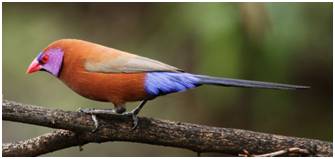 Violet Eared Waxbill
The Ultimate Guide to Feeding Mealworms to Violet-eared Waxbills
Violet-eared Waxbills—affectionately known as the royals of the African finch world—are celebrated for their breathtaking, jewel-toned plumage, featuring rich chestnut bodies, striking violet cheek patches, and brilliant cobalt-blue rumps. Indigenous to the arid thorn-scrub regions of Southern Africa, these exquisite birds are highly prized, premium aviary residents. Because Violet-eared Waxbills are notoriously high-strung and possess an exceptionally fast, delicate metabolism, their dietary demands are far more precise than standard finches. Incorporating premium, locally raised live mealworms into their routine provides the dense animal protein, essential lipids, and intense instinctual foraging enrichment they need to maintain their magnificent beauty.
Why Violet-eared Waxbills Thrive on Premium Mealworms
In their native wild habitats, Violet-eared Waxbills are highly insectivorous. They spend their days tirelessly darting through acacia brush and hopping along the ground, hunting down tiny termites, spiders, and crawling insect larvae. Replicating this insect-heavy diet in captivity is absolutely vital for their physical conditioning and mental well-being.
The Absolute Key to Breeding Success: Violet-eared Waxbills are notorious for being difficult to breed in captivity and will frequently abandon their nests or discard their eggs if they feel their diet lacks live food. The frantic, wiggling motion of live mealworms acts as an essential hormonal trigger, signaling to the pair that the environment is rich enough to successfully rear a family.
The Ultimate Life-Saving Chick Fuel: Violet-eared chicks are exceptionally tiny, fragile, and fast-growing. For the first two weeks of their lives, parent birds feed them almost exclusively on live animal protein. Premium mini mealworms deliver the essential, concentrated amino acids needed to build tiny muscles, prevent developmental stunting, and ensure chicks fledge successfully.
Vibrant, Jewel-Toned Feather Intensity: The striking, luminous violet, chestnut, and blue feathers that define this species require specific amino acids and proteins to remain deep and glossy. Feeding live mealworms during their annual molt gives them a direct hit of highly bioavailable nutrients, preventing their royal coloration from fading into a dull, washed-out grey.
Managing the Diet: Size and Frequency
Because Violet-eared Waxbills are incredibly small, delicate birds with fine, pointed red beaks, matching the mealworm size perfectly is critical to avoid choking hazards and ensure they can manipulate the prey safely.
| Flock Member / Phase | Ideal Mealworm Grade | Role & Frequency |
|---|---|---|
| Nesting Chicks (First 12 Days) | Strictly Micro / Mini Grades (Finely Chopped) | Crucial daily chick fuel. Chop finely to ensure the tiny babies can swallow it easily. |
| Breeding & Chick-Rearing Pairs | Strictly Mini Grades & White Molts | Supply a continuous handful daily in a dish; parents will feed chicks non-stop. |
| Non-Breeding Aviary Flocks | Strictly Mini Grades | Offer 2 to 3 worms per bird, 2 to 3 times a week as an essential health supplement. |
Step-by-Step: The Perfect Violet-eared Waxbill Feeding Routine
Step 1: The 24-Hour Nutritional Supercharge (Gut-Loading)
Never feed empty insects to your delicate birds. 24 hours before feeding, place your live mini mealworms into a separate tray. Feed them nutrient-dense slices of sweet potatoes, carrots, or dark leafy greens like broccoli florets. The mealworms absorb these vitamins and pigments, transforming into a highly nutritious biological capsule that passes directly into your waxbills, supporting their sensitive immune systems and feather vibrancy.
2. The Golden Rule of the Soft-Shell Selection (White Molts)
Because Violet-eared Waxbills have fine, pointed beaks rather than heavy seed-crushing bills, the crunchy outer shell (chitin) of a regular brown mealworm can sometimes be too tough for them to crack or safely digest. Actively select freshly molted mealworms that are completely white. These “white worms” are exceptionally soft, tender, and easily managed by tiny waxbill beaks.
3. Presenting the Meal Safely
Violet-eared Waxbills are enthusiastic but incredibly shy ground-feeders that can easily be bullied away from food by larger or more aggressive aviary mates like weavers, whydahs, or larger finches.
Website Tip: To prevent live mealworms from crawling away into the aviary substrate where they will die and rot, always serve them in a shallow, completely smooth-sided ceramic or glass dish.
Preventing Bullying: If you keep a mixed aviary, place the waxbill feeding dish inside a selective feeding cage or under a low, dense brush shelter where only the tiny waxbills can comfortably fit. This ensures your prized birds can enjoy their live treats in complete peace without being intimidated!
Side Note: Many birds instinctively process the prey themselves: they’ll bite, mash, or bash larger worms until they’re manageable.
Why This Happens.
Instinctive prey handling: Small birds often “beat” insects against perches to soften them or break them apart.
Selective feeding: They’ll consume the juicy, nutrientrich insides and discard the tougher exoskeleton if it’s too much effort.
Adaptability: Even delicate species can adapt their feeding technique to prey size, provided the worms aren’t dangerously oversized.
Wild Birds
The Ultimate Guide to Attracting Cape Town’s Wild Garden Birds with Mealworms
Cape Town is blessed with some of the most spectacular, vibrant wild bird species in South Africa. From the iconic Table Mountain slopes down to the lush gardens of the Southern Suburbs and the coastal breeze of the Atlantic Seaboard, our backyards are a haven for local wildlife. While local birds love natural nectar and seeds, incorporating premium, locally raised live mealworms into your garden feeding routine is the absolute ultimate secret weapon to turning your property into a bustling bird sanctuary.
Why Cape Town’s Wild Birds Crave Mealworms
Many of our most beautiful local birds do not eat seeds at all—they are strict insectivores. Standard birdseed mixes often sit rotting in feeders, attracting unwanted rodents instead of the beautiful songbirds you actually want to see.
Attracting the “Unreachables”: Striking insect-eating birds will completely ignore seed feeders. The frantic wiggling action of live mealworms is an irresistible visual dinner bell that draws these shy, gorgeous species right to your veranda.
The Spring Chick Supercharger: During the frantic spring breeding season (September to November), local garden birds work tirelessly to feed their rapidly growing chicks. Baby birds cannot digest seeds; they require soft, raw animal protein. Providing mealworms gives parent birds a massive shortcut, dramatically increasing chick survival rates in your neighborhood.
Beating the Fierce Cape Winters: Cape Town’s cold, wet, and windy winters can be devastating for tiny garden birds with fast metabolisms. The dense, high-quality lipids (fats) and concentrated protein in mealworms give these birds the vital thermal energy they need to maintain their core body temperature through freezing, damp nights.
Which Cape Town Birds Will Visit Your Mealworm Feeder?
1. The Cape Sparrow (Passer melanurus / Mossie)
Affectionately known across South Africa as the Mossie, these cheerful, resilient little birds with their distinct black-and-white head markings are the undisputed kings of Cape Town gardens. While adult Mossies are famous for eating almost anything—from seeds to breadcrumbs—they undergo a massive biological shift when raising a family. Mossie chicks have highly delicate digestive tracts and cannot process hard grains. Parent sparrows desperately search the garden for soft, rich animal protein to feed their nestlings. Providing a daily handful of small or medium live mealworms fuels their fast-growing chicks, leading to stronger skeletons, better feather development, and a dramatically higher survival rate for local garden fledglings.
2. The Cape Wagtail (Motacilla capensis)
Instantly recognizable by their slender bodies, elegant gray plumage, and their habit of constantly bobbing their long tails up and down as they run across your lawn or patio. Cape Wagtails are strict, obligate insectivores. They do not eat birdseed, fruits, or suet balls. If you do not have live bugs in your garden, the Wagtails will fly straight past your house. They rely entirely on a fast, high-energy diet of crawling insects to fuel their non-stop, athletic darting movements. Because Wagtails are visual hunters stimulated entirely by rapid movement, they will completely ignore dead, dried insects. Dropping a dish of frantically wiggling live mealworms on your lawn or paved driveway is an absolute magnet for them. They will quickly learn your daily routine, turning these charismatic little gymnasts into permanent, loyal daily visitors to your garden.
3. The Cape Robin-Chat
Highly territorial and deeply beloved for its beautiful song. Once they realize your garden provides regular, fresh mealworms, they will become incredibly tame, often waiting on your garden table or patio chairs every morning for their crunchy breakfast.
4. The Cape Thrush
A bold, ground-foraging bird that loves to dig through mulch. They will enthusiastically harvest mealworms from low feeders, often bringing their fledglings along to show them the food source.
5. The Southern Fiscal or Common Fiscal
A sleek, black-and-white aerial acrobat. They love to perch on a garden fence, spot a wiggling mealworm in a dish below, dive down to snatch it up, and return to their perch in the blink of an eye.
6. The Southern Boubou
A secretive, beautifully colored bush-shrike. They are notoriously shy, but a dish of wiggling live mealworms is one of the very few treats enticing enough to lure them out of dense foliage into plain view.
Step-by-Step: Setting Up Your Cape Town Mealworm Feeder
Step 1: Choose the Right Feeder Location
Cape Town is famous for its fierce South-Easter wind. Place your mealworm feeding station in a sheltered, quiet spot—ideally close to thick bushes or trees (like indigenous Milkwoods or Proteas). This gives the birds a quick, safe escape route if a predator (or the neighbor’s cat) wanders by.
Step 2: Use an Escape-Proof, Weighted Dish
Mealworms are excellent climbers. If you place them in a standard flat bird tray, they will quickly wiggle over the edge and crawl into the lawn where the birds can’t see them. Use a heavy, shallow ceramic or glass dish with vertical, completely smooth sides. This keeps the mealworms safely trapped in one spot while wiggling frantically, which is mandatory for catching a bird’s eye from high up in the trees.
Step 3: Always Choose Local and Live over Dried
While massive commercial pet stores sell cheap, dried imported bugs, live mealworms are vastly superior for wild birds.
The Movement Catalyst: Wild garden birds hunt entirely by spotting movement. They will fly straight past static, dried bugs, but they cannot resist the frantic wiggle of livestock.
The Moisture Advantage: Live mealworms retain 100% of their natural juices, providing vital hydration to local birds during our blistering, dry summer months.
You should avoid feeding dried mealworms to wild birds in winter because they can actually do more harm than good at that time of year:
Why Dried Mealworms Are Risky in Winter
Low moisture content: Dried worms are dehydrated. In cold weather, birds struggle to find natural water sources, so feeding them dry food can worsen dehydration.
Hard texture: They can be tough for small birds to digest, especially when their energy reserves are already low.
Nutritional imbalance: Dried worms lose some of the natural nutrients and fats that fresh or live worms provide — which are critical for survival in freezing conditions.
Choking hazard: Smaller birds may find dried worms difficult to swallow if not soaked first.
Best Practice
If you want to offer dried mealworms in winter, always soak them in warm water for 30–60 minutes before putting them out. This restores moisture and makes them safer to eat.
Combine soaked worms with highenergy foods like suet, sunflower hearts, or peanuts to give birds the fat reserves they need in cold weather.
In short: dried mealworms alone aren’t suitable for wild birds in winter — they must be rehydrated to prevent dehydration and aid digestion.
Winter Feeding Tips for Wild Birds
Winter is the toughest season for wild birds. Natural food sources are scarce, water often freezes, and energy demands are high. The right foods can make all the difference.
Best Foods to Offer
- Suet & Fat Balls: Highenergy, keep birds warm and active.
- Sunflower Hearts & Seeds: Easy to eat, packed with calories.
- Peanuts (unsalted): Protein and fat for strength.
- Soaked Mealworms: Rehydrated dried worms provide safe moisture and protein.
- Live Mealworms (Best Choice): Natural hydration, high protein, and instinctively appealing to birds.
Foods to Avoid
- Dry Mealworms: Risk of dehydration and choking if not soaked.
- Bread: Fills stomach but offers little nutrition.
- Salty Scraps: Harmful to birds’ kidneys and overall health.
- Processed Foods: Anything sugary, oily, or seasoned.
Quick Tips
Always soak dried mealworms before offering them in winter.
Provide a fresh water source daily — break ice if needed.
Place feeders in sheltered spots to protect birds from wind and predators.
Clean feeders regularly to prevent mold and disease.
In short: Highenergy foods and live mealworms are the best winter lifeline for wild birds. Avoid dry, salty, or processed foods, and always ensure water is available.
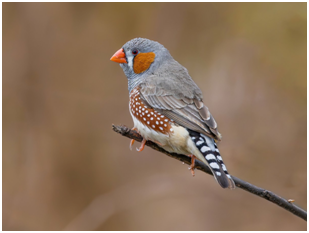 Zebra Finches
The Ultimate Guide to Feeding Mealworms to Zebra Finches
Zebra Finches are the cheerful heart and soul of the aviary world. Famous for their bold zebra-striped chests, bright orange cheek patches, and energetic “beep-beep” calls, these hardy Australian natives are an absolute joy to keep. Zebra Finches are legendary for their robust health and enthusiastic breeding habits. While they can survive on basic seed mixes, adding premium live mealworms to their diet is the ultimate secret used by top breeders to unlock explosive breeding success, flawless molting, and prize-winning condition.
Why Enthusiastic Zebra Finches Need Mealworms
Zebra Finches are hyperactive, highly social birds that are constantly nesting, courting, and flying. Their high-energy lifestyles require an equally energetic diet.
Explosive Breeding Power: Zebra Finches are opportunistic breeders that respond instantly to a rich food supply. Introducing live mealworms acts as a biological trigger, signaling to your birds that it is the perfect time to lay large, highly fertile clutches.
Flawless Feather Growth: The male’s intricate markings—including his bright orange cheeks and crisp white-spotted flanks—require intense cellular nutrition to develop sharply after a molt. The rich amino acids in mealworms prevent dull, patchy feathering, keeping your flock showroom-bright.
Supercharging Chick Survival: Zebra Finch chicks grow at an incredibly rapid pace. Mealworms provide a dense source of easily digestible animal protein that helps chicks double their size in a matter of days, leading to stronger skeletons and robust immune systems.
When to Feed: Managing the Breeding Surge
Because Zebra Finches are incredibly eager to breed, managing their protein intake helps you control and regulate their nesting cycles.
| Season / Cycle | Role of Mealworms | Frequency |
|---|---|---|
| Breeding & Chick Rearing | Highly Recommended. Gives parents the stamina to raise large, demanding clutches without exhausting themselves. | Fresh supply offered 1 to 2 times daily. |
| The Annual Molt | Essential. Supplies the vital building blocks needed to grow bright, dense, and water-resistant plumage quickly. | 3 times per week. |
| Resting Season | Conditioning. Keeps their immune systems strong and active without over-stimulating them to breed. | A small weekly treat. |
Best Practices for Feeding Zebra Finches
Zebra Finches are bold, curious, and non-aggressive eaters, making live feeding time incredibly simple and entertaining.
1. Opt for Small to Medium Grades
Zebra Finches possess strong, robust, wedge-shaped beaks perfectly designed for crushing. Unlike more delicate waxbills, they can easily handle small to medium-grade mealworms. They thoroughly enjoy the crunch and will enthusiastically harvest them from the feeding station.
2. The Group Feeding Dish
Zebra Finches are highly social and prefer to do everything as a flock. Use a wide, shallow, smooth-sided ceramic dish so that multiple birds can sit around the rim and eat simultaneously. This prevents squabbling and ensures even the shiest birds in the aviary get their fair share of the treats.
3. Curing Aviary Boredom
Zebra Finches are intelligent and love to forage. Try placing live mealworms into a shallow tray filled with dry leaves, clean coarse sand, or coconut fiber. Your finches will spend hours joyfully tossing leaves and digging around to hunt down the wiggling mealworms, providing fantastic mental and physical exercise.